
 Decorative Concrete Curbing
 Landscape Lighting
 Sod Removal & Installation
 Mulch & Stone Installation
 Landscape Design & Renovations
 Cleanups
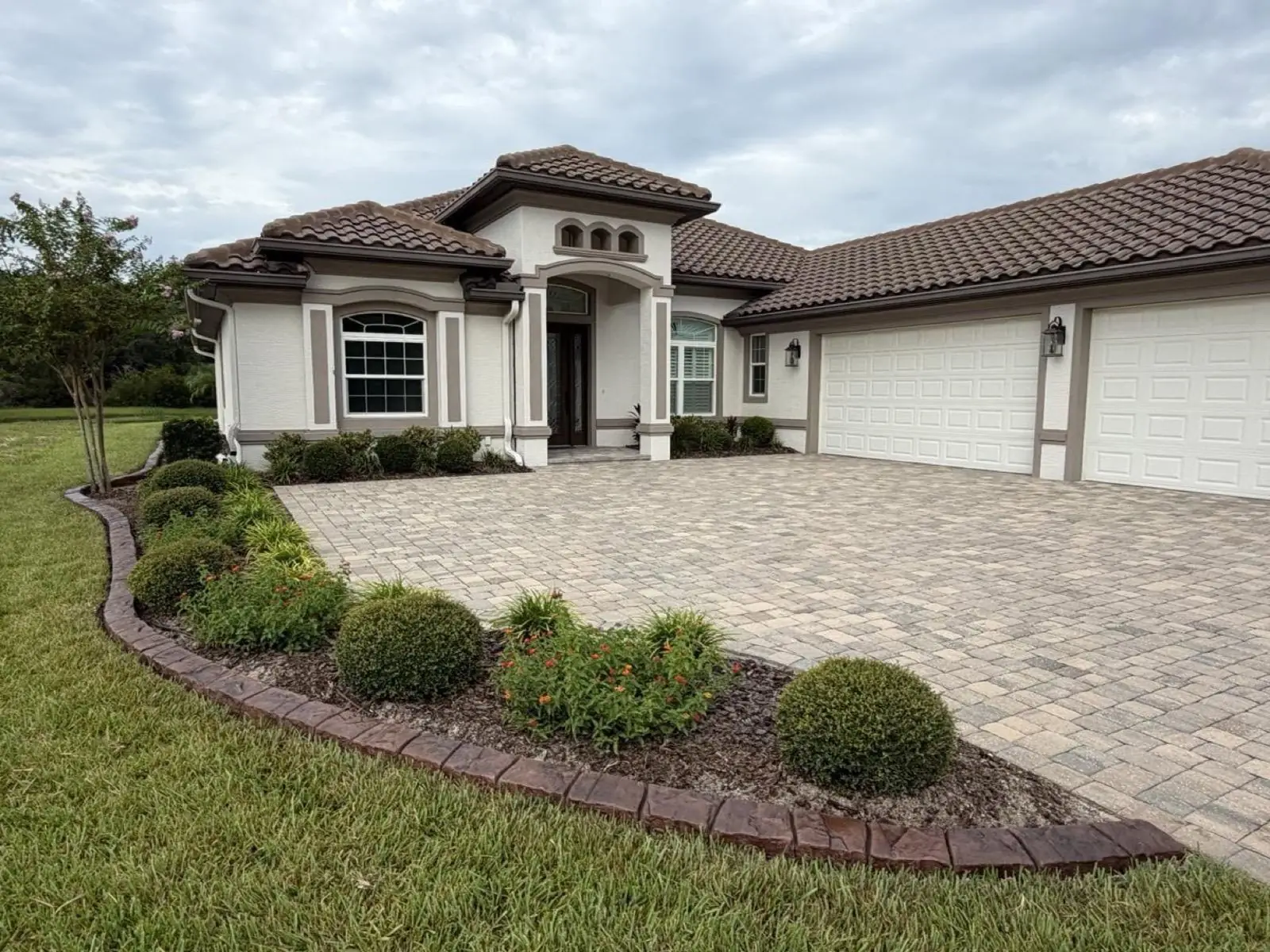
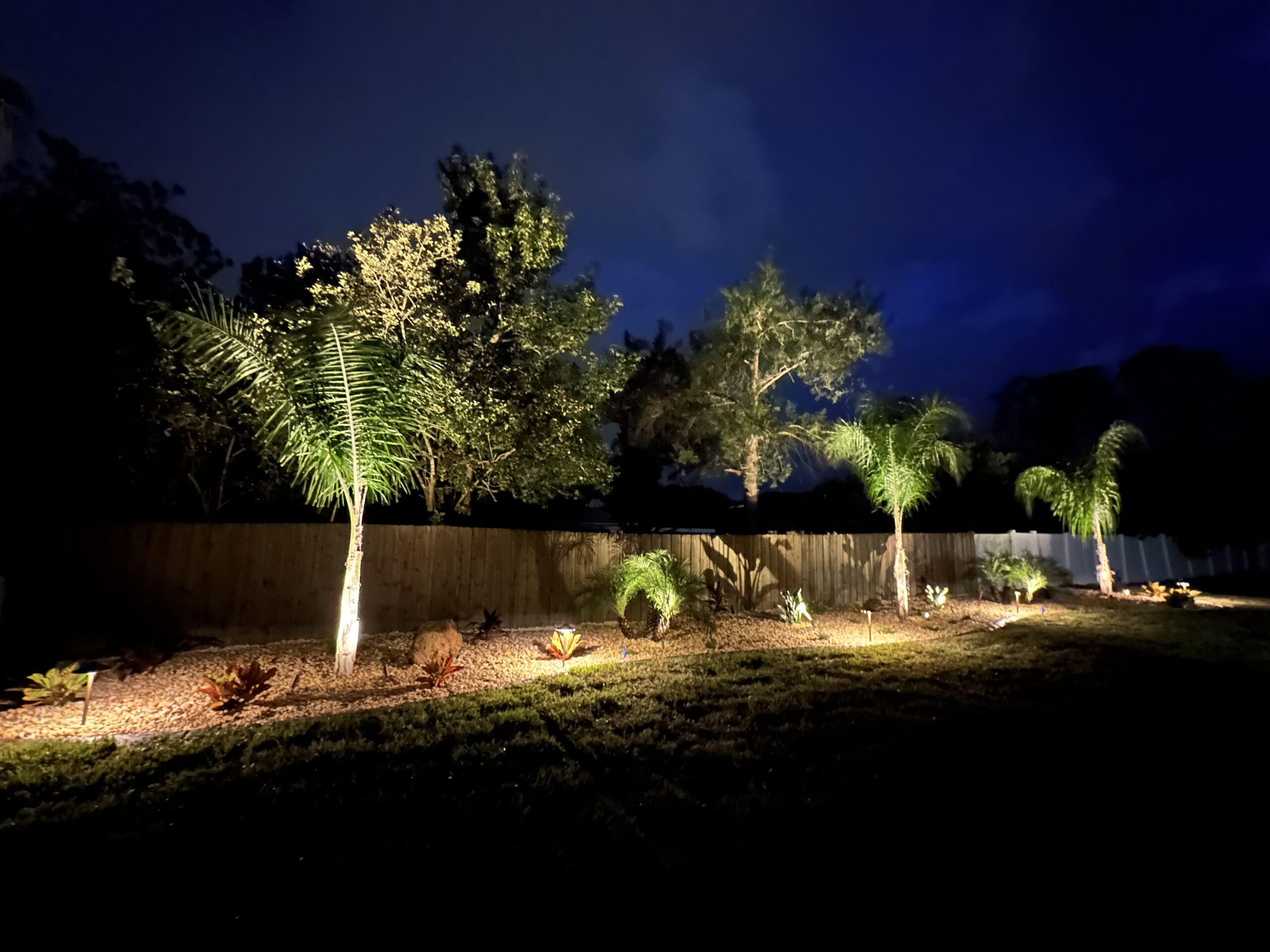
A good landscape design plan in Palm Coast spells out where every bed goes, which plants go in each spot and why, what covers the ground, how the edges are finished, how water and light reach the yard and what order the work happens in. If a plan leaves those questions open, the finished yard usually ends up looking less put together than it could.
We meet a lot of homeowners who have gotten a quick sketch or a list of plants and are not sure if it is enough. A plan does not have to be fancy, but it should answer the practical questions before anything goes in the ground. Here is what we think belongs in every landscape design plan for a Palm Coast home.
Does the plan start with the site itself?
It should. Before plants are chosen, a good plan notes the conditions that will decide whether they thrive. For most Palm Coast yards, that means:
- Sun and shade by area. The west side of a house can bake in afternoon sun, while beds under oaks may get only filtered light.
- Soil and drainage. Much of Flagler County has sandy soil that drains fast, but low spots, compacted areas and downspout outlets can stay wet after heavy rain.
- Wind and salt exposure. Homes closer to the ocean or the Intracoastal deal with conditions inland yards do not.
- What is already there. Trees, palms and healthy shrubs worth keeping, plus anything that needs to come out.
- Utilities and equipment. AC units, pool equipment, meters and irrigation lines that plants and borders need to work around.
Our post on planning irrigation and landscape design together explains why water should be part of this step, not an afterthought.
What should the layout show?
The layout is the bones of the design. Whether it is drawn by hand or on a computer, it should make these things clear:
- The shape and size of each bed, including how far it extends from the house.
- Where lawn stays, where it goes and where it is replaced with beds or ground cover.
- Walkways, stepping stones and how people move through the yard.
- Focal points, like an entry planting, a specimen palm or a corner accent.
- Views from inside the house and from the street.
Bed shape matters more than most people expect. Deeper beds along the foundation give room to layer plants, and smooth curves are easier to mow around than lots of sharp corners. Our post on bed design with curves, borders and plant layers goes into more detail.
How should plants be chosen and placed?
A plant list alone is not a plan. A good design says where each plant goes, how many and how far apart, based on how big it will be in a few years, not how big it is in the pot. A few things we check for every plant:
- Does it suit the sun or shade in that exact spot?
- Will it handle our summer heat, heavy rain and dry spring stretches once established?
- At mature size, will it block a window, crowd a walkway or press against the house?
- Does it repeat elsewhere in the yard so the design feels connected?
- Is the upkeep realistic for the homeowner?
Layering is the other half. Low plants in front, medium in the middle and taller ones at the back or corners give beds depth without looking crowded.
What about ground cover, borders and finishes?
These details are what make a yard look finished. A complete plan names them instead of leaving them for later:
| Detail | What the plan should decide |
|---|---|
| Ground cover | Mulch, rock or living ground cover, and the color or type |
| Bed borders | Simple cut edge, edging material or decorative concrete curbing |
| Lawn | Which areas stay as grass and whether any sod needs replacing |
| Lighting | Which plants, paths and features get lit, and where the transformer goes |
| Irrigation | Zones to add, move or adjust for the new beds |
Lighting is easy to skip, but it is simplest to plan while beds are being built. Running wire before plants and mulch go in saves digging later. Our landscape lighting page shows the kind of work we do here.
Should the plan include phases and upkeep?
Yes. Not every project happens all at once, and a plan that shows phases helps you spend in the right order. A typical sequence starts with cleanup and removals, then bed shaping and irrigation changes, then plants, ground cover and borders, and lighting last.
A plan should also say what the yard will need after installation: how often shrubs need trimming, when mulch should be topped off and what to watch for in the first few months while plants are getting established. Knowing that up front helps you choose a design that fits your time and budget for maintenance, not just the look on day one.
Frequently asked questions
Do I need a drawn plan for a small project?
For a single bed refresh, a clear written scope with a plant list and layout notes is often enough. Bigger projects, like a full front yard redesign, benefit from a drawn layout so everyone sees the same picture.
Can a design plan work around existing plants?
Yes, and it often should. Healthy trees, palms and well placed shrubs give a new design a head start. The plan simply notes what stays, what gets reshaped and what gets replaced.
How detailed should plant spacing be in a plan?
Detailed enough that plants are set out based on their mature width. Spacing that looks generous on install day usually fills in nicely within a couple of seasons and avoids overcrowding later.
Should HOA rules be part of the plan?
If your neighborhood has guidelines, yes. Building the plan around them from the start makes approval smoother and avoids having to change things after work begins.
Udell’s Landscape Services has been planning and installing yards in Palm Coast and across Flagler County for more than 20 years. If you want a clear plan for your property, start with our approach to landscape design in Palm Coast, then reach out to us or call (386) 931-6539 for a free estimate.