Best Landscaping Services for Palm Coast Property Enhancements
May 4, 2026Why Flagler Beach Homes Need Salt-Tolerant Landscaping
May 4, 2026If you just bought a home in Palm Coast, start by learning the yard you have before changing anything: figure out where the sun falls, how water drains after a storm, what is already planted and what your HOA allows. Then fix the basics, like irrigation coverage and overgrown shrubs, and set up a simple care routine that fits Florida’s long growing season. Big design changes can wait until you have seen the yard through a few months of weather.
Your first month: take inventory
New homeowners often want to rip out everything and start fresh. We usually suggest a slower start. Walk the property a few times, at different times of day, and make notes. Photos help too.
- Sun and shade. Which beds get full afternoon sun? Which stay shaded under oaks or the house? Summer and winter sun angles are different, so what looks shady in December may bake in June.
- Drainage. After a heavy rain, where does water stand? Where do downspouts empty? Does any bed stay soggy for days?
- Existing plants. Which plants look healthy and which look stressed, overgrown or half dead? If you are unsure what something is, take a photo and ask.
- Lawn type and condition. Most Palm Coast lawns are St. Augustine, with some Bahia and Zoysia. Note thin areas, weeds and bare spots.
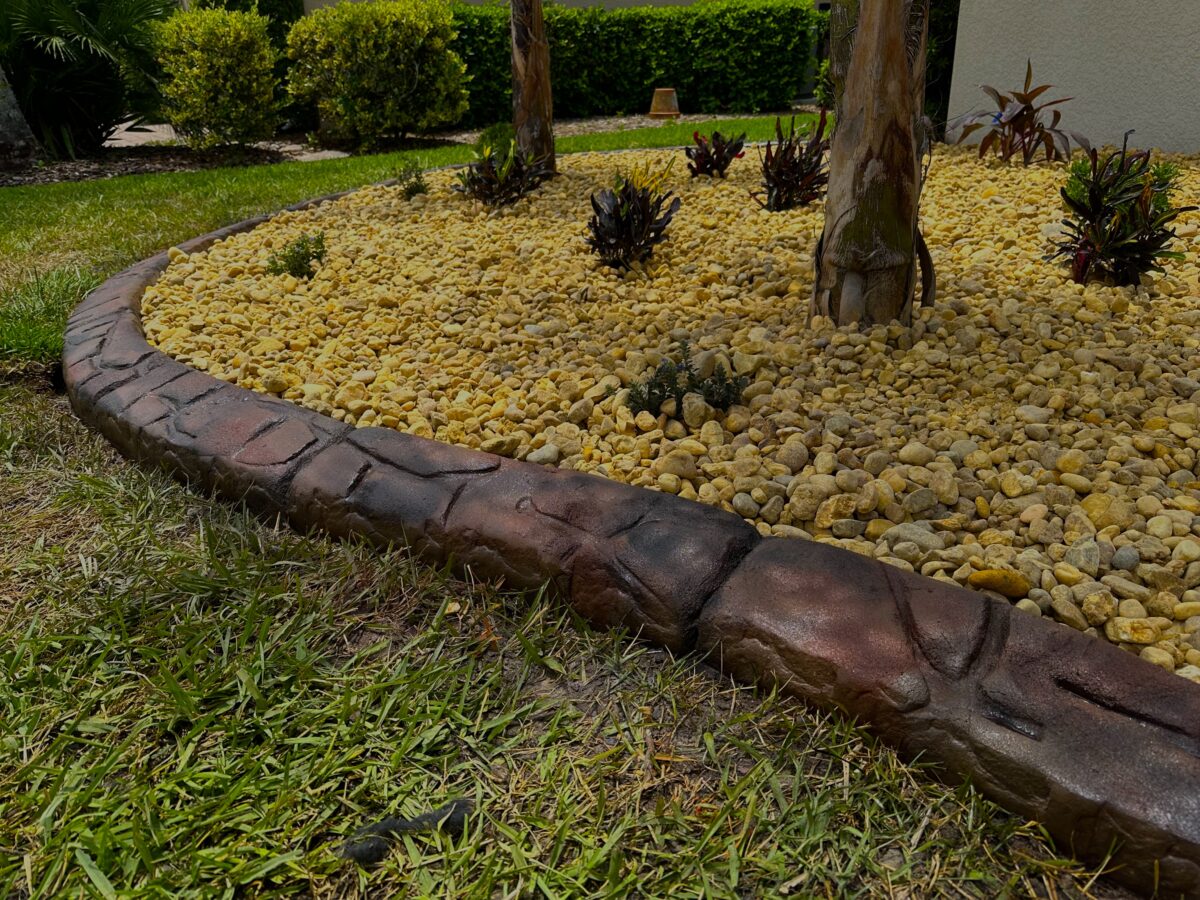
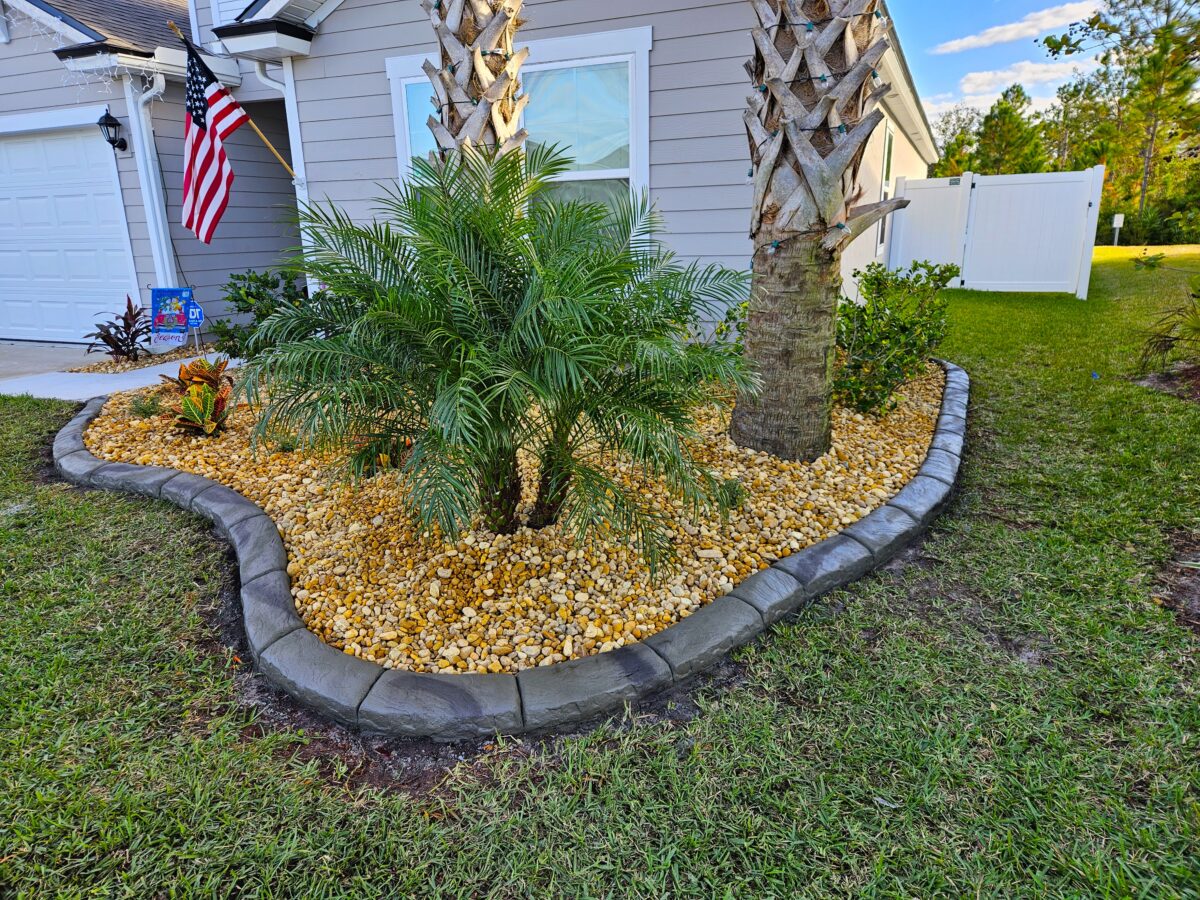
- Hardscape and edges. Are beds clearly defined? Is mulch or stone spilling into the grass?
This record makes every later decision easier, whether you do the work yourself or bring in help.
Read the HOA rules and check underground lines
A large share of Palm Coast homes are in communities with landscaping guidelines. Before you remove trees, change bed layouts, add lighting or replace sod, check with your HOA. Some require approval for front yard changes or have lists of preferred plants and materials.
Also find out what is buried in the yard before you dig. Florida’s 811 service will mark public utility lines for free when you call ahead. Irrigation pipes and low voltage lighting wire are not marked by 811, so look for valve boxes and fixture locations to get a sense of where they run.
Get the irrigation system working right
An irrigation system that was set up years ago, or ignored while a house was on the market, is one of the most common reasons a new owner’s yard struggles. Run each zone and watch it.
- Look for broken, buried or tilted heads.
- Note spray that hits the house, driveway or street instead of plants.
- Check for dry spots in the lawn and soggy spots in beds.
- Confirm the controller is set to the watering days allowed for your address.
- Check that a rain sensor is installed and working.
In our sandy soil, water drains quickly, so coverage matters more than run time. Our article on planning irrigation and landscape design together explains why the two work best side by side.
Choosing plants that handle Florida conditions
When you are ready to add or replace plants, start with what our climate gives you: sandy soil low in nutrients, long hot summers, high humidity, heavy afternoon rain from roughly June through September, and the occasional winter cold snap. Homes east of the Intracoastal also deal with salt air.
Plants that do well under those conditions tend to be natives and Florida-Friendly choices matched to the right amount of sun. Before you buy, check three things on every plant:
- Will it get the sun or shade it prefers in that spot?
- How big will it be at maturity, and does that fit the space?
- Does it handle salt, wet feet or drought if your spot has those conditions?
Buying a plant that fits saves years of fighting it with pruning shears.
A simple year round care routine
Florida yards do not get a true off season, but the workload rises and falls. A basic rhythm for Palm Coast looks like this:
- Spring: refresh mulch, clean up oak leaves, fix irrigation issues before the dry weeks, and plant while temperatures are mild.
- Early summer: trim shrubs and trees ahead of hurricane season, which starts June 1, and clear anything loose from the yard.
- Summer: mow more often, watch for weeds and pests, and let the rain do some of the watering.
- Fall: clean up after storms, tidy beds and plan any bigger projects for the cooler months.
- Winter: mow less, protect tender plants on the few cold nights, and hold off on hard pruning until the cold risk has passed.
When to bring in help
Some new owners enjoy doing it all; others would rather spend weekends at the beach. Either way, it helps to know when a project is bigger than a Saturday. Bed redesigns, curbing, lighting, large shrub removals and sod replacement are all jobs where experience and the right equipment save time. If you are interviewing companies, our list of questions to ask before hiring a Palm Coast landscaper can help you compare.
Frequently asked questions
Should I replace the landscaping right after moving in?
Usually it is better to wait a few months. Seeing how the yard handles sun, rain and seasons first helps you avoid removing plants that were actually fine or putting new ones in the wrong spot.
What is the most common yard problem new Palm Coast owners find?
Irrigation problems are high on the list, followed by overgrown foundation shrubs. Both are fairly simple to fix and make a big difference in how the yard looks.
Where can I get my soil tested?
The UF/IFAS Extension office for Flagler County is a good place to ask about soil testing and local plant questions. A soil test can tell you about pH and nutrients before you fertilize.
Udell’s Landscape Services helps new homeowners in Palm Coast and throughout Flagler County with landscape design in Palm Coast and everyday landscaping services like planting, mulch, trimming and cleanup. If you would like a second set of eyes on your new yard, request a free estimate or call (386) 931-6539.