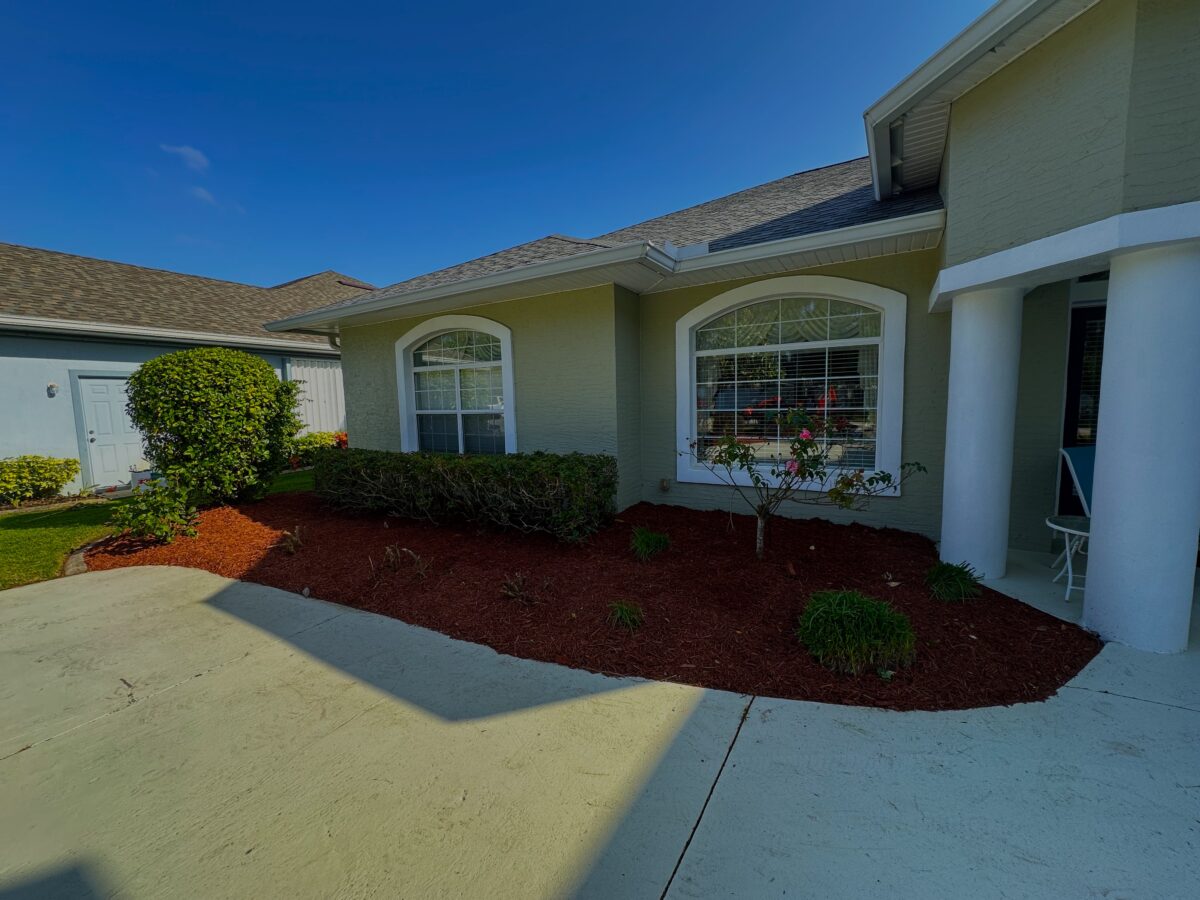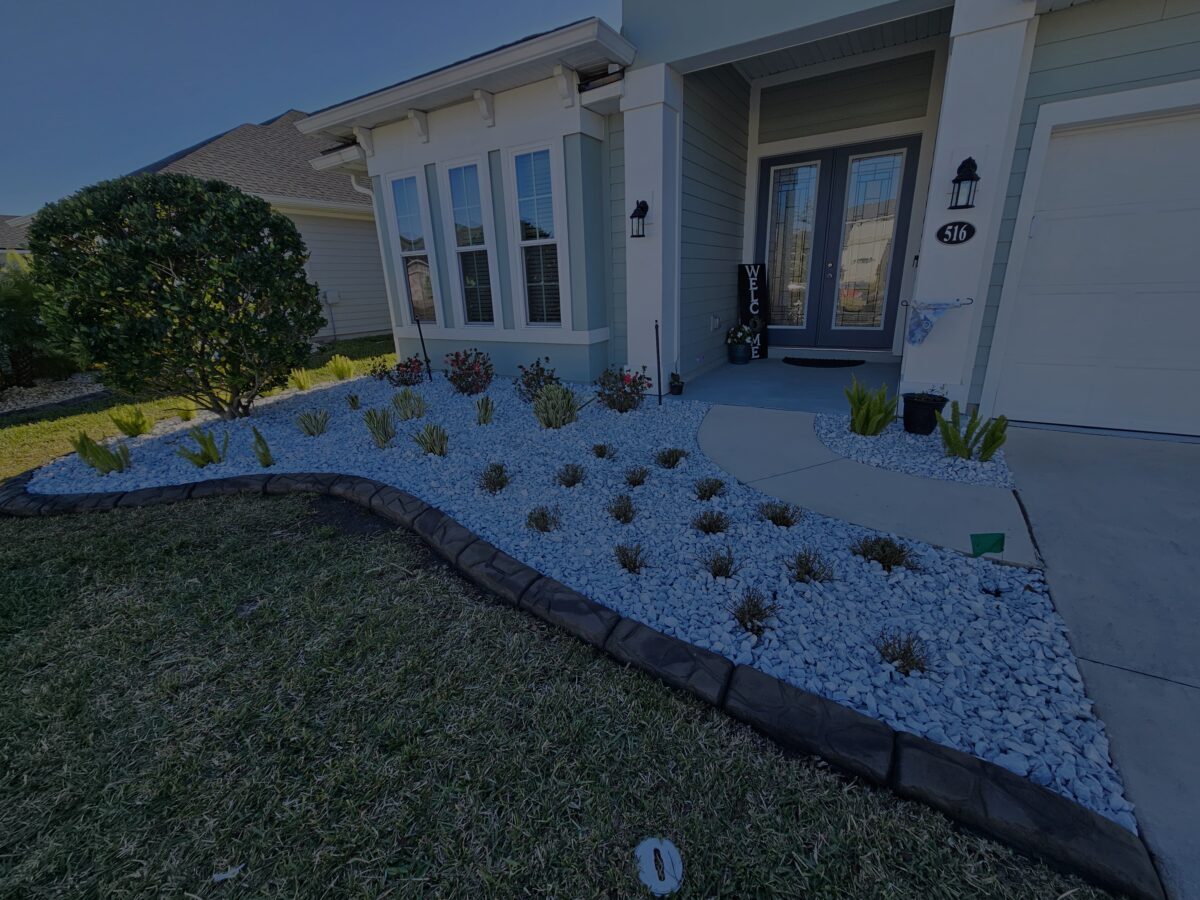

Landscape Design for New Construction Homes in Palm Coast
October 9, 2026
Backyard Landscape Design in Palm Coast: Where to Start
October 14, 2026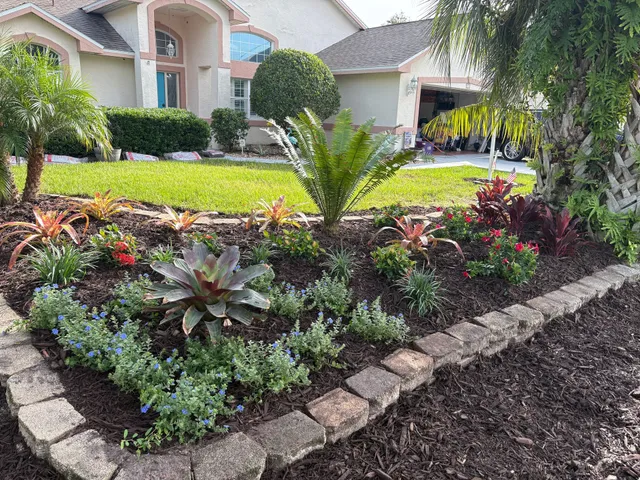
Fall is one of the best times to plant in Palm Coast. From October into early winter the heat backs off, the summer rainy season winds down, and new shrubs, trees and perennials can put down roots without fighting July sun. If you plant now and water steadily while the roots settle in, your new beds go into next summer stronger than anything planted in May.
Here is what to plant, what to hold off on, and how to keep new plants healthy through their first few months.
Why is fall a good time to plant in Palm Coast?
Most plant stress in Northeast Florida comes from summer. Long days of heat, strong sun and pounding afternoon storms are hard on anything that has not rooted into the surrounding soil yet. Planting in fall flips that around.
- Cooler air, warm soil. Daytime temperatures drop, but the sandy soil stays warm for a while, so roots keep growing even as the top of the plant slows down.
- Less heat stress. New plants lose less water through their leaves, which makes the first few weeks far more forgiving.
- A head start on summer. A shrub planted in October has months to establish before the next stretch of real heat arrives.
The tradeoff is that fall is usually drier than summer. Rain you could count on in August may not show up in November, so new plantings depend on irrigation or hand watering until they are established.
What should you plant in the fall in Palm Coast?
Fall is a strong season for the plants that make up the bones of a yard: shrubs, small trees, ornamental grasses, groundcovers and perennials. These are the plants that benefit most from a long, mild rooting period.
For homeowners who want a lower maintenance yard, native and Florida-friendly plants for Flagler County are a natural fit for fall planting. A few that work well in many Palm Coast yards:
- Muhly grass. A native ornamental grass that blooms in soft pink plumes in the fall and handles sun and sandy soil.
- Coontie. A slow growing native with a tidy, fern-like look that works in sun or part shade and suits foundation beds.
- Saw palmetto. Tough, native and very much at home in Flagler County. Good for larger beds and natural areas, since it spreads over time.
- Beautyberry. A native shrub with clusters of purple berries in fall that birds enjoy. Best in part shade.
- Firebush. Loved by hummingbirds and butterflies. It can be damaged in a hard freeze, so it does best in a protected spot.
Every yard is different, so the right plant depends on sun, drainage and space. Our guide to plant selection for heat, humidity and sandy soil goes deeper on matching plants to conditions.
Seasonal color for fall and winter
If you want color by the front door or along the walk, fall is when cool season annuals go in. Pansies, violas, snapdragons, petunias, dianthus and alyssum tend to look their best through the cooler months and fade once the heat returns in late spring. Think of them as a seasonal swap for containers and small accent beds, not the backbone of the landscape.
What should you wait on until spring?
Not everything belongs in the ground in October. A few things are better timed for later.
- Very cold sensitive tropicals. Flagler County does get the occasional frost or freeze night in winter. Plants that are badly damaged by cold are often safer to plant in spring, or in sheltered spots close to the house.
- Heavy pruning of cold tender plants. Pruning pushes new growth, and soft new growth is the first thing a cold snap damages. Light shaping is fine, but big cutbacks on tender plants can usually wait until the cold risk passes in late winter.
- Large lawn replacement. Warm season grasses slow down as the weather cools. Sod can still be laid in fall, but it roots in more slowly, so a large lawn project needs extra attention to watering and timing.
How do you get a fall planting off to a good start?
Most planting problems come down to a few basic things: the wrong spot, poor soil prep, or watering that stopped too early. A simple order of work helps.
- Walk the yard first. Note where the sun hits through the day, where water sits after a rain, and where plants have struggled before.
- Prepare the bed. Clear weeds and old roots, loosen the soil, and fix any low spots or drainage problems before anything is planted.
- Space for mature size. A small shrub from the nursery may be three or four feet wide in a few years. Leave room from walls, windows, walkways and the air conditioning unit.
- Plant at the right depth. The top of the root ball should sit level with, or slightly above, the surrounding soil. Planting too deep is a common reason shrubs decline.
- Water in and mulch. Soak the root ball after planting, then add a layer of mulch, keeping it pulled back from stems and trunks.
- Check irrigation coverage. Make sure the new bed is actually getting water, and adjust heads or add hand watering where needed.
If you are planning a bigger project, it can help to break the work into stages, starting with the beds that matter most to you and adding the rest as time and budget allow.
How much should you water new fall plantings?
New plants need regular water until their roots grow out into the surrounding soil. At first that means frequent watering of the root ball itself, then gradually spacing it out as the plant settles in. Shrubs usually take a few months to establish, and trees take longer, depending on their size at planting.
| Stage | What to watch for | Watering approach |
|---|---|---|
| First few weeks | Wilting by afternoon, dry root ball | Frequent, focused on the root ball |
| Next month or two | New leaves, steady color | Spread watering out gradually |
| Established | Plant holds up between rains | Normal irrigation schedule |
Always follow the current City of Palm Coast watering rules for irrigation days and times. UF/IFAS Gardening Solutions is a good research-based source for establishment and plant care guidance in Florida.
Does fall planting fit into a bigger landscape design?
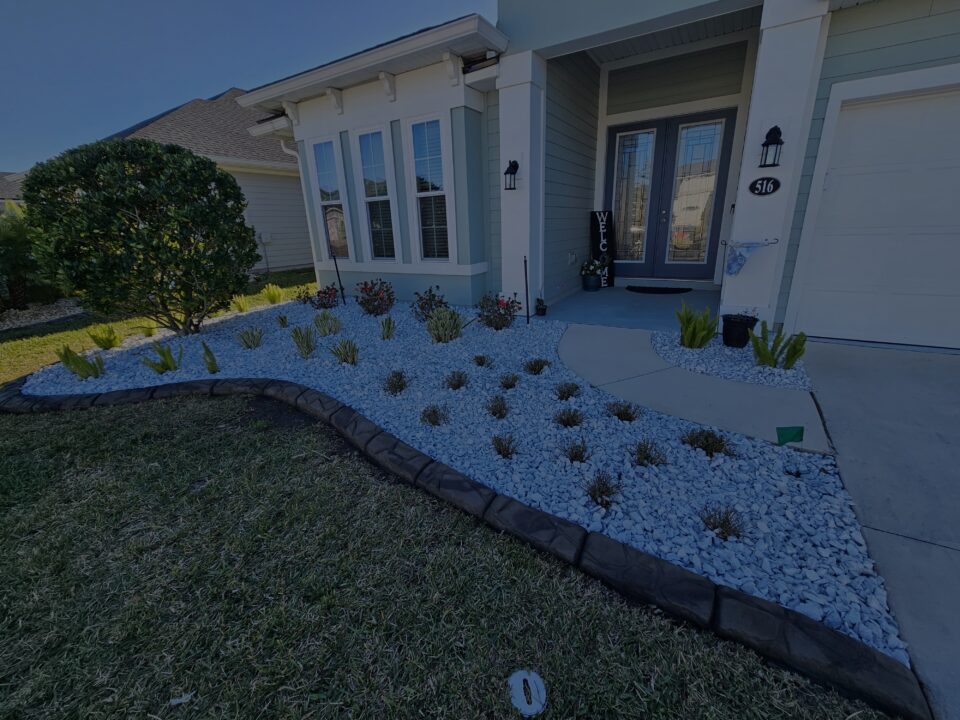
It does, and it is often the best time to start one. Fall gives you time to decide what stays and what goes, and to get the bones of a new design in place before summer. Many homeowners start with the front beds, add clean borders such as decorative concrete curbing, then fill in the backyard later.
If you want help planning the full picture, our approach to landscape design in Palm Coast starts with how your yard actually behaves, then works out plants, beds and finishing touches from there.
Frequently asked questions
Is October too late to plant in Palm Coast?
No. October through early winter is one of the better planting windows in Palm Coast. The heat has eased, roots keep growing in warm soil, and plants have months to establish before summer. Just plan on regular watering, since fall is usually drier.
Can you plant shrubs in Palm Coast in November and December?
Yes, most hardy shrubs and native plants can go in during November and December. Be more careful with cold sensitive plants, since Flagler County can see a frost or freeze on some winter nights. Those are often safer planted in spring or in a protected spot.
Do Florida native plants still need watering after planting?
Yes. Even tough natives need regular water while they establish. Once their roots have grown into the surrounding soil, a well placed native plant usually needs much less help than a poorly matched one.
Should I mulch new fall plantings?
Mulch helps hold moisture, keeps soil temperatures steadier and cuts down on weeds around new plants. Keep it pulled back from stems and trunks.
Planning a fall planting in Palm Coast or Flagler County?
Udell’s Landscape Services brings more than 20 years of landscaping experience to homeowners around Palm Coast and Flagler County, from planting and bed design to full landscaping services. If you would like a second set of eyes on what to plant this season and where, reach out for a free estimate or call us at (386) 931-6539. We are happy to walk the yard with you.