Summer Landscaping Tips for Palm Coast Heat and Rain
July 7, 2026How Landscape Design Can Improve Privacy Without Closing In Your Yard
July 23, 2026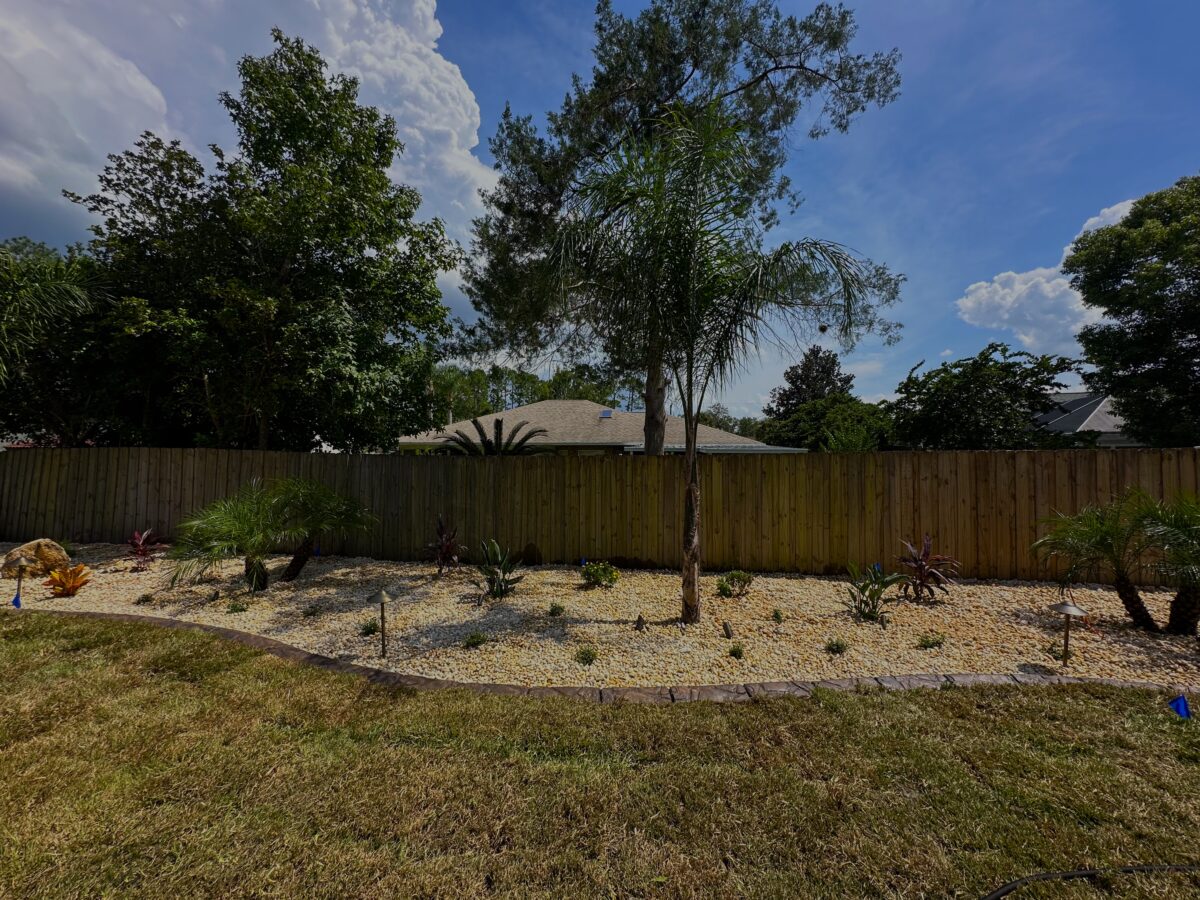
Native and Florida-friendly plants are some of the best choices for Flagler County landscapes because they are picked for the conditions a yard actually has: strong sun, sandy soil, summer downpours, dry spells and, closer to the ocean, salt and wind. Placed well and spaced for their mature size, they can look just as polished as any traditional planting while asking for less water, less fertilizer and less fussing once they settle in.
That does not mean every yard needs to look wild or informal. With deliberate spacing, repetition and clean bed edges, these plants fit right into a tidy Palm Coast neighborhood.
What is the difference between native and Florida-friendly?
The two terms get used together, but they are not the same thing.
- Florida native plants occur naturally in the state. Many have grown alongside local soils, insects and weather for a very long time.
- Florida-Friendly Landscaping is a broader approach promoted by UF/IFAS Extension. It focuses on putting the right plant in the right place and maintaining the yard responsibly. Well suited non-native plants can be part of a Florida-friendly yard too.
In practice, most of the yards we work on mix the two: native anchors for structure and toughness, with well behaved non-natives where they fit the design.
How do you match plants to your yard’s microclimates?
A shaded side yard, a sunny driveway edge and a back corner that stays wet after storms are three different planting environments, even on the same lot. Treating them as separate zones leads to better choices and fewer replacements.
| Yard condition | What it usually means | Plants that often fit |
|---|---|---|
| Full sun, sandy soil | Hot, fast draining, dries out quickly | Muhly grass, coontie, saw palmetto |
| Part shade | Morning sun, afternoon shade under trees | Beautyberry, coontie, wild coffee |
| Coastal exposure | Salt spray and wind closer to the beach | Saw palmetto, sea oxeye daisy, dune sunflower |
| Wet spots | Water sits after heavy rain | Fix drainage first, then choose plants that tolerate wet feet |
Every property is different, so treat a chart like this as a starting point, not a prescription. Our guide to plant selection for heat, humidity and sandy soil goes deeper on reading your yard before you buy anything.
How can native plants look neat instead of messy?
The difference between a native yard that looks designed and one that looks overgrown usually comes down to a few habits:
- Plant in groups. Repeating the same plant in masses of three, five or more reads as intentional. One of everything reads as random.
- Space for mature size. Many natives look small in the pot and fill out quickly. Give them room so they do not crowd walkways, windows or each other.
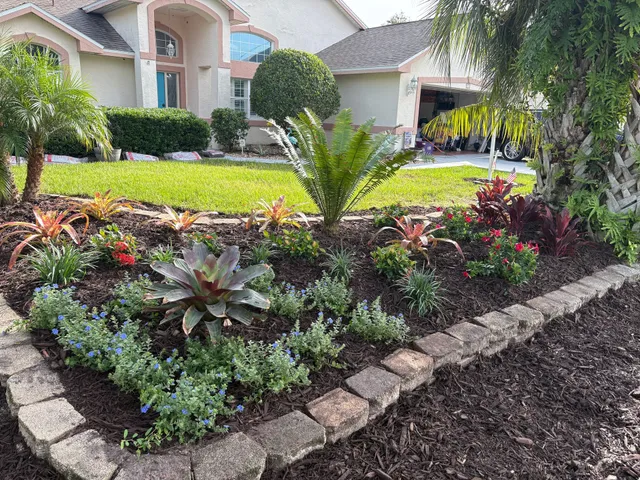
- Define the beds. A clean edge, such as decorative concrete curbing, frames looser plants and keeps mulch where it belongs.
- Layer by height. Low groundcovers in front, mid height shrubs behind them, taller plants or palms toward the back or corners.
- Keep up light maintenance. Occasional shaping, mulch refreshes and weed control go a long way.
Do native plants help wildlife?
Many of them do. Plants like firebush and beautyberry attract hummingbirds, butterflies and birds, and native grasses and shrubs can give small wildlife food and cover. That adds a lot of life to a yard without making it look untidy, as long as the beds are laid out with care.
When is the best time to plant natives in Flagler County?
Fall through early winter is one of the best windows. The heat eases, the soil is still warm, and plants have months to root in before next summer. We cover timing, plant choices and watering in more detail in our post on fall planting in Palm Coast.
Whenever you plant, new plants still need regular water until they are established. Natives are tough once rooted, but they are not drought proof on day one.
Local planning matters in Palm Coast and Flagler County
Florida landscaping is very site specific. Conditions can change from one side of a home to the other, and coastal exposure, drainage, shade, irrigation coverage and mature plant size all affect the finished result. UF/IFAS Extension Flagler County is a good research-based resource for plant guidance, and homeowners should check current City of Palm Coast watering requirements when irrigation is part of the project.
If your yard needs a more intentional layout, Udell’s Landscape Services brings more than 20 years of landscaping experience to Palm Coast and Flagler County homes. Explore our approach to landscape design in Palm Coast and our landscaping services, or contact us for a free estimate.
Frequently asked questions
Are native plants always low maintenance?
Not automatically. They still need the right spot, regular water while they establish and some ongoing care. A well matched native plant usually needs fewer inputs over time than a poorly matched one.
Can native plants work in an HOA neighborhood?
Often, yes, when the design is tidy and follows community rules. Groupings, clean edges and mulch help a native planting fit in. Check your HOA’s landscape requirements before you start.
Are native plants a good choice near the beach in Flagler County?
Many are. Some natives handle salt spray and wind well, which makes them useful for homes closer to the ocean. Plant choice still depends on how exposed the spot is, so a plant that thrives on a protected side of the house may struggle on the ocean side.
Where can Flagler County homeowners get plant guidance?
UF/IFAS Extension Flagler County offers research-based lawn and garden resources for local residents. A local landscaper who knows your neighborhood can also help match plants to your specific yard.