How to Tell if Palm Coast Landscaping Advice Is Actually Useful
May 4, 2026Palm Coast Landscape Design for Front Yards
May 4, 2026Storm debris removal in Flagler County means clearing fallen limbs, palm fronds, branches and wet leaf piles off your lawn and beds within a few days of the weather passing, then sorting it so it can be hauled away. The sooner it comes off the grass, the less damage it does, because heavy wet debris blocks sunlight and traps moisture against the turf. Start with safety, take photos, then work from the largest pieces down to the small stuff.
Before you touch anything: safety and photos
The first walk around the yard after a storm is for looking, not lifting. A few things to check before anyone starts dragging branches:
- Power lines. Treat any downed line, or any limb resting on a line, as live. Call your utility and stay well away.
- Hanging limbs. Branches caught high in a tree canopy can drop without warning. Leave those to a licensed tree professional.
- Leaning trees. A tree that has shifted and lifted the soil at its base on one side may not be stable. Keep people and cars clear of it.
Once it is safe, take photos of the yard from several angles, including any damage to fences, screen enclosures, irrigation heads or the house. If you end up filing an insurance claim, pictures taken before cleanup are far more useful than a description after the fact.
Why debris should not sit on the lawn
It is tempting to wait a week for everything to dry out. In our climate that usually backfires, because soaked ground, humidity and heat are hard on grass that is covered up.
- Thick mats of leaves and fronds block light, and St. Augustine and other warm season grasses start to yellow underneath within days.
- Wet debris holds moisture against the blades, which invites fungus in the turf.
- Heavy limbs left in one place compress soft, wet soil and can leave a rut or dead outline once they are moved.
Getting debris off the grass in the first few dry days is one of the simplest ways to avoid a bigger lawn repair later.
Sorting debris the way haulers expect it
After a large storm, Flagler County and the cities within it often run special debris collection, and they typically ask residents to separate material into categories. The exact rules change from storm to storm, so check the guidelines your city or the county posts before you build your pile. In general, expect something like this:
| Category | What goes in it |
|---|---|
| Vegetative debris | Limbs, branches, palm fronds, leaves, shrubs that came down |
| Construction debris | Fencing, screening, shingles, lumber, drywall |
| Household items | Damaged furniture, rugs, other belongings |
| Hazardous items | Paint, chemicals, batteries, fuel, which usually go to a separate drop off |
Place piles near the curb, but not on top of the water meter, storm drains, mailboxes or fire hydrants, and keep them out from under low branches and power lines so the collection trucks can reach them. If you are in an HOA community, the association may have its own instructions about where and when piles can go out, so check with your HOA too.
A practical order for clearing the yard
When our crew handles storm debris removal, we follow a simple sequence. It works just as well if you are tackling part of it yourself.
- Clear walkways and the driveway first. You need safe access to the house, the street and the trash cans.
- Move large limbs off the lawn. Cut them into manageable lengths where it is safe to do so, and drag them rather than letting them sit.
- Pull fronds and branches out of beds. Lift them out carefully so you do not snap the shrubs and perennials underneath.
- Rake leaves and small twigs. A leaf blower helps on hard surfaces, but wet leaves on grass usually need a rake.
- Check under and around shrubs. Debris collects at the base of hedges and against fences, where it stays wet the longest.
What to look for once the debris is gone
Clearing debris often reveals problems you could not see under the mess. Take a second walk and look for:
- Bare or flattened patches of grass where limbs were lying
- Low spots that held standing water for more than a day or two
- Mulch or stone that washed out of beds and onto the lawn or sidewalk
- Broken or tilted sprinkler heads, which are easy to miss until the system runs
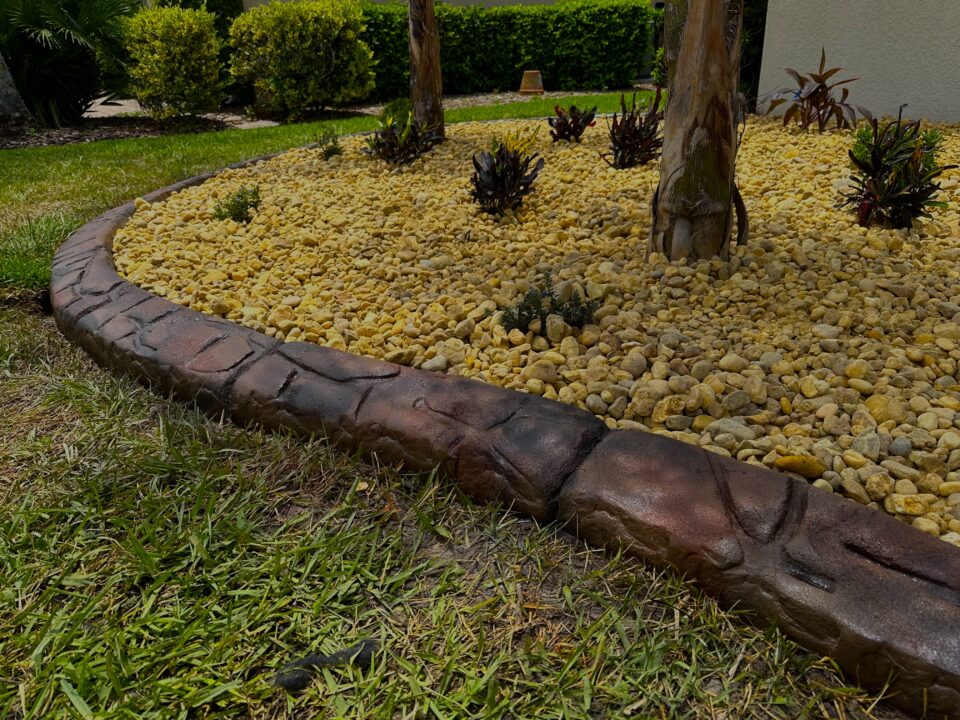
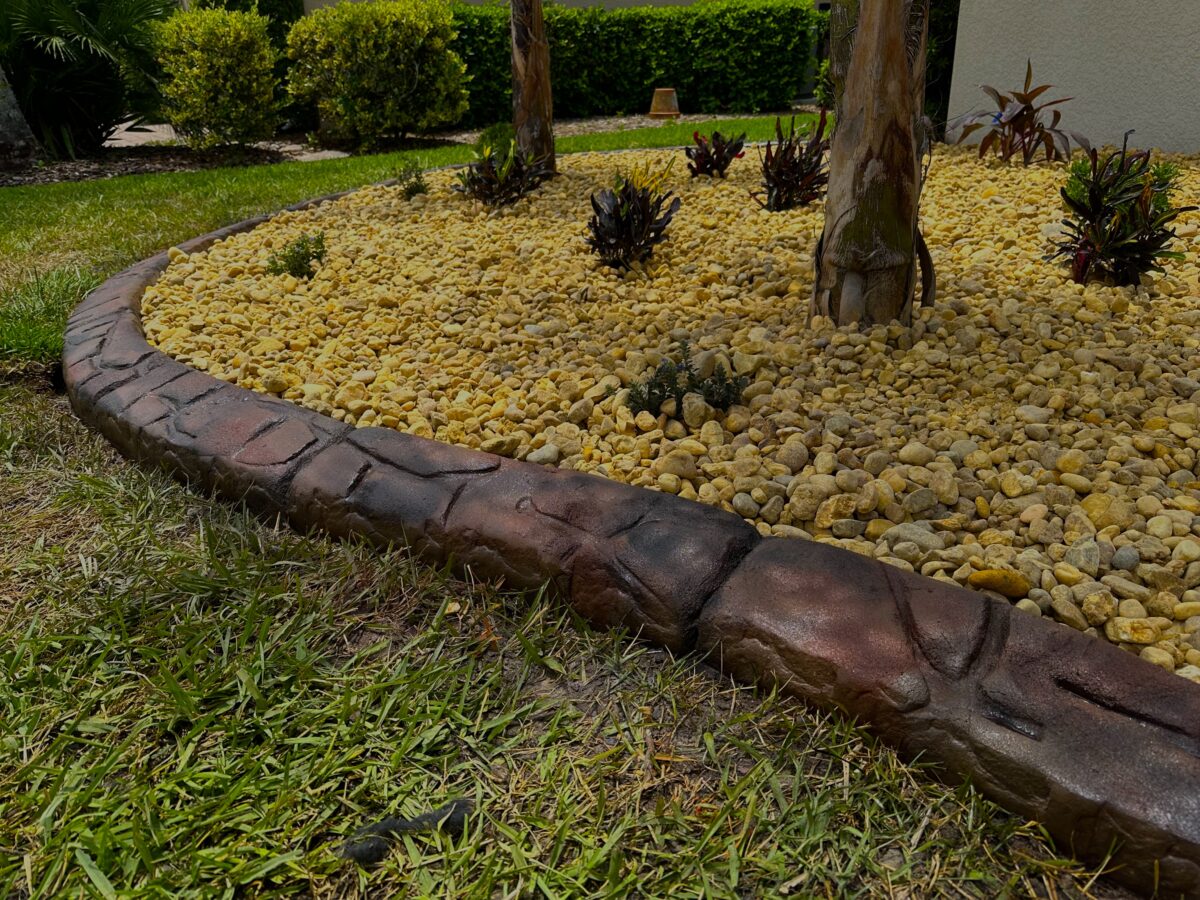
- Concrete curbing or edging that has been undermined by fast moving water
Some of this fixes itself as the lawn dries and grows. Bare spots that are still brown a few weeks later, or areas that keep holding water, usually need a closer look. Our post on lawn repair after storms and yard damage walks through those next steps.
Getting ahead of the next storm
The yards that are easiest to clean up are usually the ones that were prepared before June 1, when hurricane season begins. Our guide on preparing Palm Coast landscaping for hurricane season covers that side of things.
If you would rather hand the whole job off, our yard and lawn cleanup services include hauling storm debris, clearing beds and getting the property back in shape.
Frequently asked questions
How soon after a storm should debris be removed from my lawn?
As soon as it is safe and the ground is firm enough to walk on. In our heat and humidity, grass under heavy wet debris can start to yellow within days, so aim to get the big pieces off the lawn in the first few dry days.
Will the county pick up my storm debris?
After significant storms, Flagler County and local cities often schedule extra debris collection with specific sorting rules. Check the official announcements for your address, since the details and deadlines can change with each event.
Can I put storm debris in my regular yard waste pickup?
Small amounts of branches and leaves may fit within normal yard waste rules, which usually limit bundle size and weight. Large volumes after a major storm are better handled through special collection or a private hauler.
Should I trim damaged trees myself?
Small branches you can reach from the ground are usually fine. Anything high, large, hanging or near power lines should be left to a licensed tree professional for safety.
Udell’s Landscape Services is locally owned, led by Corey Udell and his 20+ years of experience, and we help Palm Coast and Flagler County homeowners with everything from landscape design in Palm Coast to cleanup after rough weather. If your yard needs help after a storm, you can request a free estimate or call (386) 931-6539.