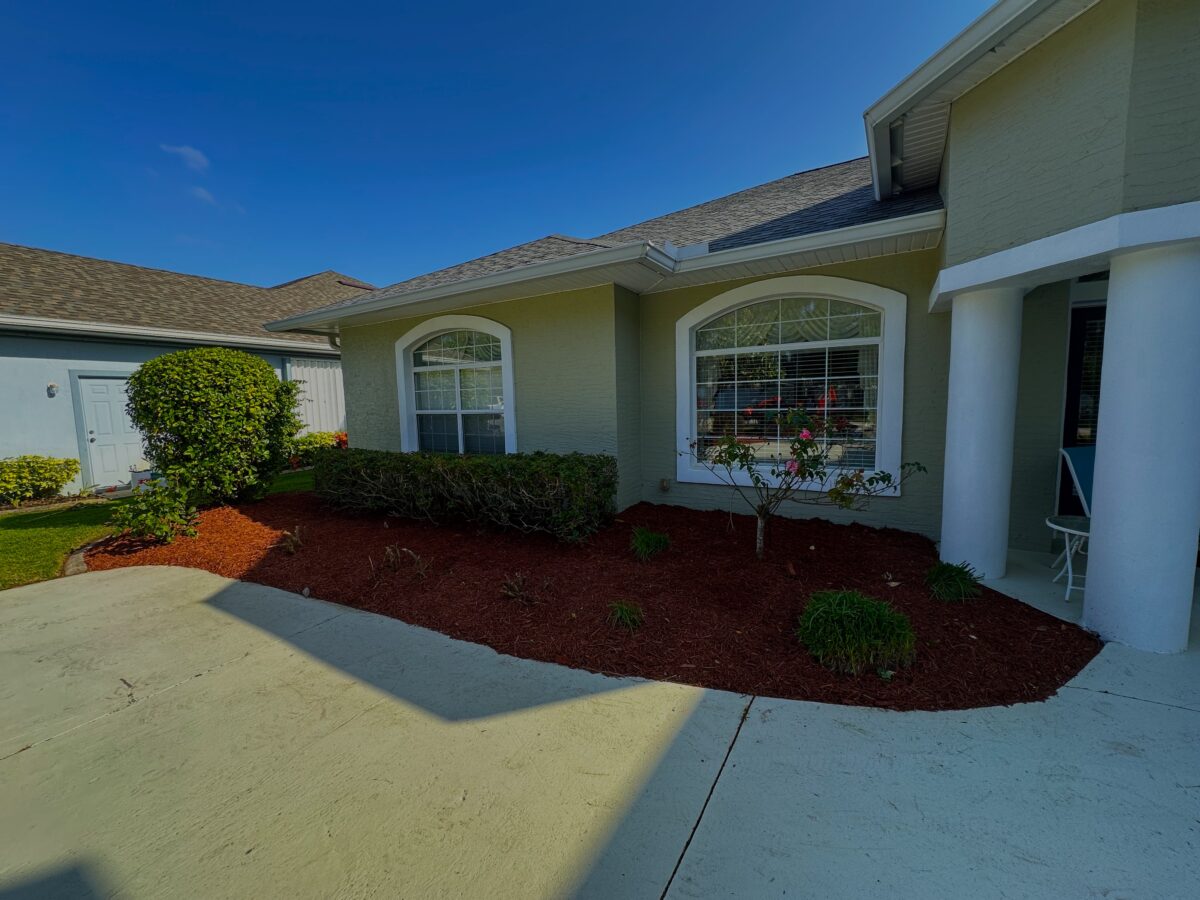
Measuring Garden Beds Before Ordering Mulch or Stone
September 14, 2026Plant Spacing Near Windows, Walkways and Outdoor Equipment
September 18, 2026The best way to landscape in phases is to plan the finished yard first, then complete the work in an order where each stage supports the next. In Palm Coast, that usually means looking at site conditions and layout before buying plants or finishes, and saving decorative work for after the groundwork is settled. Fall is a good time to start, because the cooler, drier weeks after the summer rains make it easier to see how your yard really behaves and to get new plants settled before winter.
A phased plan lets you spread out the work and the cost without ending up with a patchwork yard. The trick is knowing what has to happen early, what can wait, and how to keep one stage from undoing another. Here is how we approach it with homeowners around Flagler County.
Define the finished result first
Before any digging starts, sketch the yard the way you want it to look when every phase is done. Draw the main paths, planting beds, lawn areas and the features you want to keep. It does not need to be a professional drawing. A rough plan with measurements is enough to keep every stage pointed in the same direction.
Once you have the sketch, sort the ideas into two groups:
- Essential: items that fix a problem or that later work depends on, such as bed layout, removing overgrown plants or correcting a spot where mulch keeps washing out.
- Optional: upgrades you would like but could add later, such as new accent plants, decorative stone or additional lighting.
Our guide to refreshing an existing landscape can help you decide what is worth keeping. A phased approach does not mean pulling out healthy plants just because the work is happening in stages. Mature shrubs and trees that suit their location are often the backbone of the finished design.
Put investigation ahead of finishes
The first phase should answer questions, not just add things. Before you set a planting budget, walk the property and note:
- Recurring wet spots or places where water sits after a storm
- Areas that stay dry even after rain, often near the house or under overhangs
- Plants that have outgrown their space or are crowding windows and walkways
- Access limits, such as narrow side yards, gates or slopes that affect how materials get moved
- Anything that may need a specialist, such as irrigation problems, tree concerns or drainage questions
These observations decide where plants and materials belong. UF/IFAS Florida-Friendly Landscaping guidance stresses putting the right plant in the right place, matched to the light, soil and moisture it will actually get. A staged project should hold onto that principle even when purchases happen months apart. Buying plants first and finding a spot for them later is one of the easiest ways for a phased plan to drift.
Coordinate work that shares the same space
Some jobs overlap, and doing them out of order means redoing work. Bed preparation, border layout and planting positions should be discussed together, even if they get installed at different times. For example, if you plan to add edging later, the bed shape should be settled before plants go in so the border has a clear line to follow.
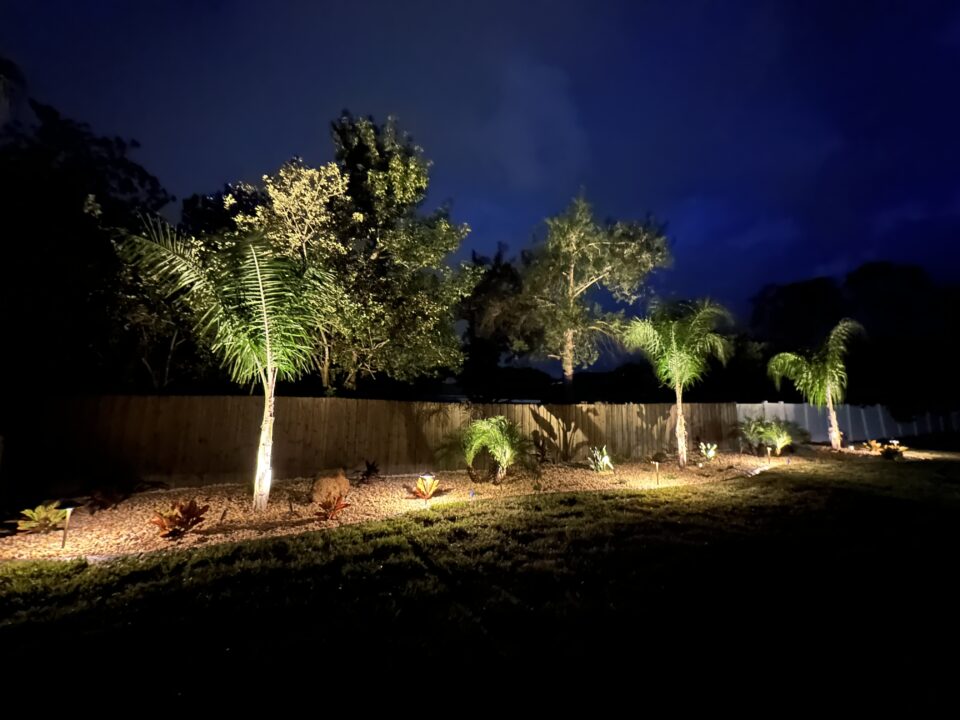
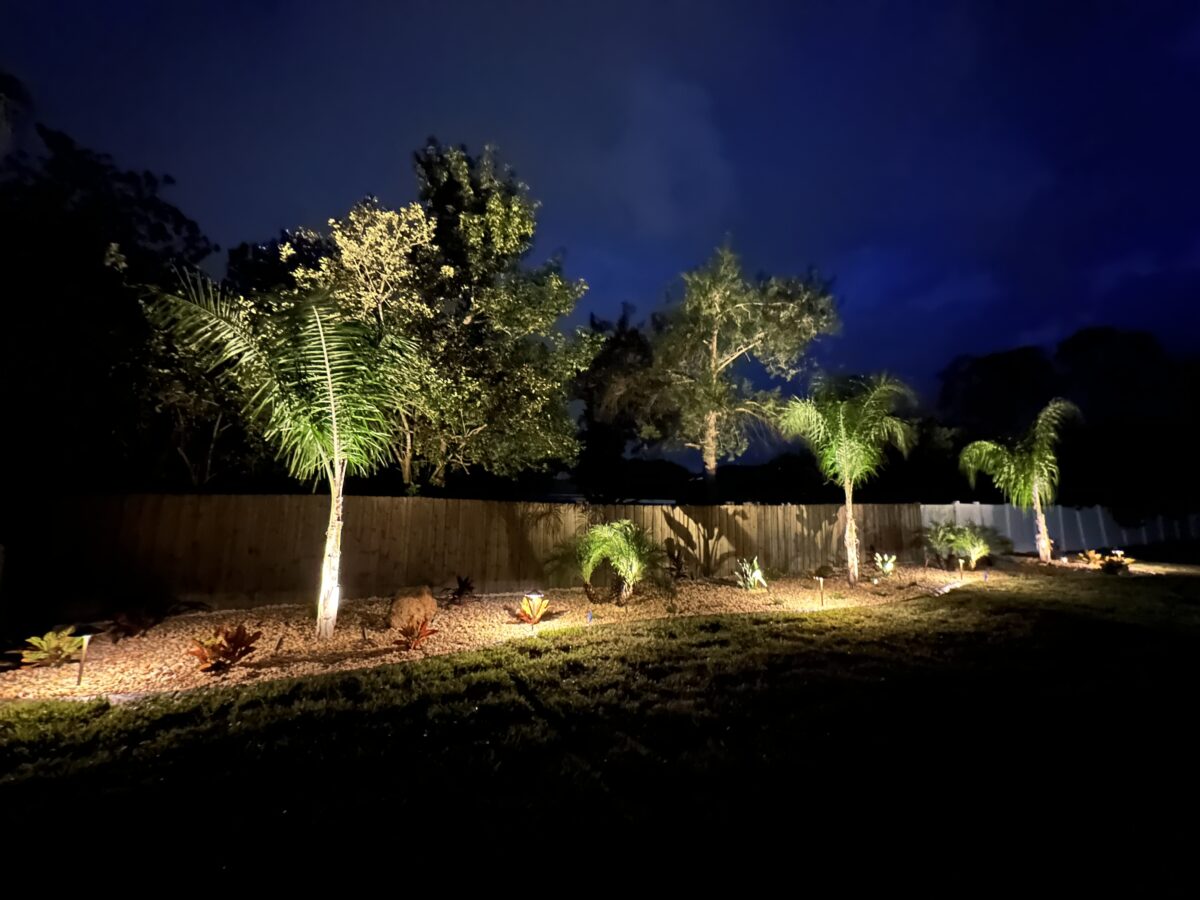
The same goes for anything that runs underground or along the beds. If future landscape lighting is on your list, tell the installer before planting and mulching close off easy access. Wiring is simpler to route through an open bed than around established roots. Ask whether a small amount of preparation can be done now so the later phase goes smoothly, without paying for every finish at once.
A conversation about landscaping services should cover both the current scope and the work you intend to add later. That way the person doing phase one knows what phase two needs.
Use a written handoff between stages
Phased projects often have gaps of weeks or months between stages, and details get lost. Keep one folder, paper or digital, with:
- Before and after photos of each area
- Bed dimensions and the location of any buried lines or wiring
- Plant names and material selections, including colors and sources
- Notes on what was completed and what decisions are still open
This record keeps the next stage from accidentally undoing the last one, which matters most when weather or scheduling pushes work back. It is also worth agreeing on who handles watering, weeding and general care between visits, and what would trigger a change to the plan. New plants installed in fall still need regular water while they establish, even though rain is less frequent than in summer.
How should you choose the first phase?
Pick the phase that solves your most important functional problem and leaves the property usable and tidy when it ends. A finished front entry bed is usually more practical than half-done work scattered across the whole yard. You get a completed area to enjoy, and you learn how the design holds up before committing to the rest.
Good candidates for a first phase include:
- Correcting areas where water or mulch keeps washing out
- Removing overgrown or declining shrubs and reshaping beds
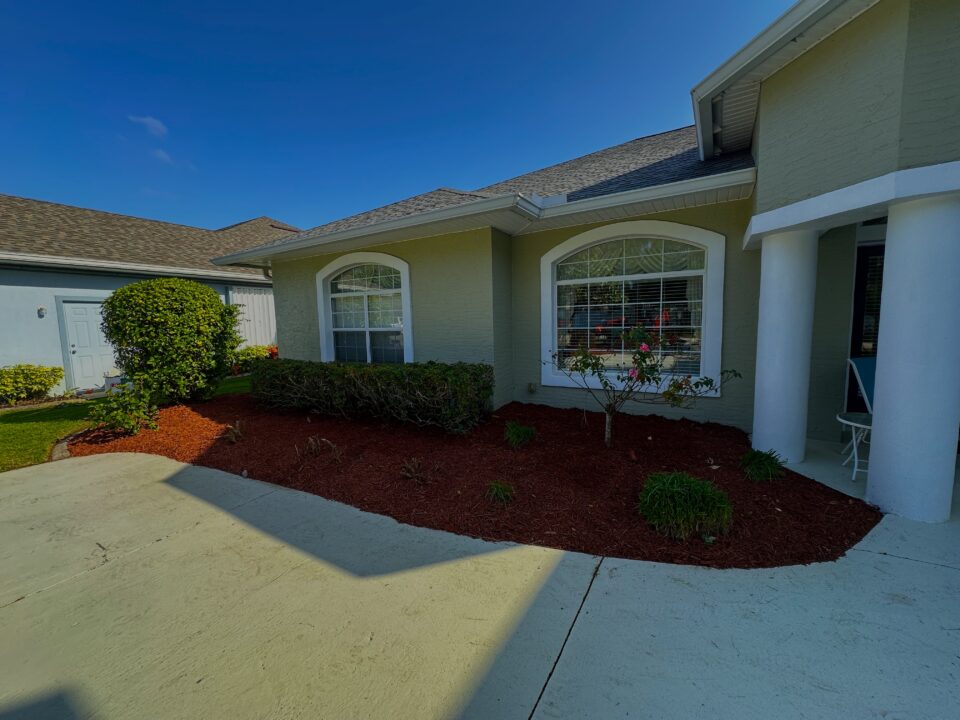
- Finishing the front yard so the most visible area is complete
- Preparing beds and layout so later planting and lighting have a plan to follow
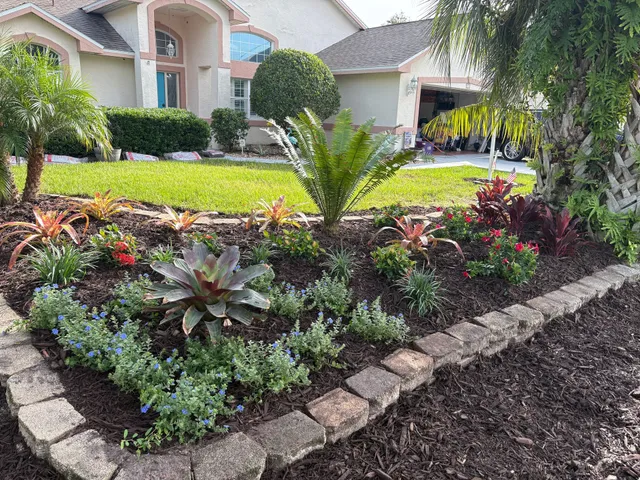
Browse the project gallery to show the visual direction you like, then ask for a proposal that separates required preparation from optional upgrades. Each stage should have a clear stopping point, so the yard looks intentional even if the next phase is a season away. If you want help shaping the overall plan, our page on landscape design in Palm Coast explains how we approach full designs.
Frequently asked questions
Is fall a good time to start a landscape project in Palm Coast?
Yes, fall is a practical time to begin. The weather is usually milder and drier than summer, which makes it easier to work and to see how the yard drains. New plants still need consistent watering while they establish, so plan for that as part of the first phase.
How many phases should a landscape project have?
There is no set number. Most homeowners do well with two to four stages, each tied to a clear area or goal. The right number depends on the size of the property, the budget and how much work each area needs.
What should be done first in a phased landscape plan?
Start with anything that later work depends on, such as layout, removals and fixing wet or washed out areas. Decorative finishes like stone, new accent plants and lighting fixtures usually come after the groundwork is settled.
Can I keep my existing plants during a phased project?
Often, yes. Healthy plants that fit their space and the new layout can stay and help the yard look finished between phases. Plants that are struggling, crowding the house or blocking paths may be better candidates for removal or relocation.
If you are thinking about a fall project and want a plan that works in stages, Udell’s Landscape Services is glad to walk the property with you. We work with homeowners across Palm Coast and Flagler County to sort out what needs to happen now and what can wait. You can request a free estimate online or call us at (386) 931-6539.