Spring Landscape Refresh Ideas for Palm Coast Properties
April 22, 2026Storm Debris Removal for Flagler County Yards
May 4, 2026In Palm Coast, the best time for most landscaping depends on the job. Trees, shrubs and most landscape plants do best when installed in fall or late winter to early spring, sod roots fastest from spring through early summer when it is warm and wet, and work like concrete curbing, lighting and cleanups can be done almost any month. Planning a few weeks to a couple of months ahead gives you the most flexibility on dates.
That is the short version. Below is how we think about timing for different kinds of work in Flagler County, and how to plan a bigger project so each step lands in the right season.
How the Palm Coast year actually works for plants
We do not really have four seasons here so much as two big ones with short transitions between them.
- Late May through September: hot, humid and rainy, with afternoon storms most days in the heart of summer. Grass and many plants grow quickly, but new plantings can also struggle with heat stress, and heavy rain can wash out fresh beds.
- October through April: drier and milder. Growth slows, especially in December through February, and we can see a few frosty nights in a typical winter, more so on the west side of the county than near the ocean.
- March to May and October to November: the in-between months that many plants like best. Warm soil, comfortable air and less punishing sun.
Hurricane season also runs from June 1 to November 30, which matters for anything you want to be well rooted before a big storm.
Timing by type of landscaping job
Here is a simple guide to when each kind of work tends to go best. These are general patterns, not hard rules. Plenty of jobs succeed outside these windows with good watering and care.
| Type of work | Best window | Why |
|---|---|---|
| Trees and large shrubs | October to March | Cooler air means less water stress while roots spread into the sandy soil. |
| Perennials and smaller shrubs | Fall and spring | Mild weather helps them settle before summer heat or winter cold. |
| Sod | Spring through early summer | Warm-season grasses root quickly when soil is warm and rain is regular. |
| Annual color | Fall for cool-season annuals, spring for warm-season | Pick plants that match the coming months, not the current ones. |
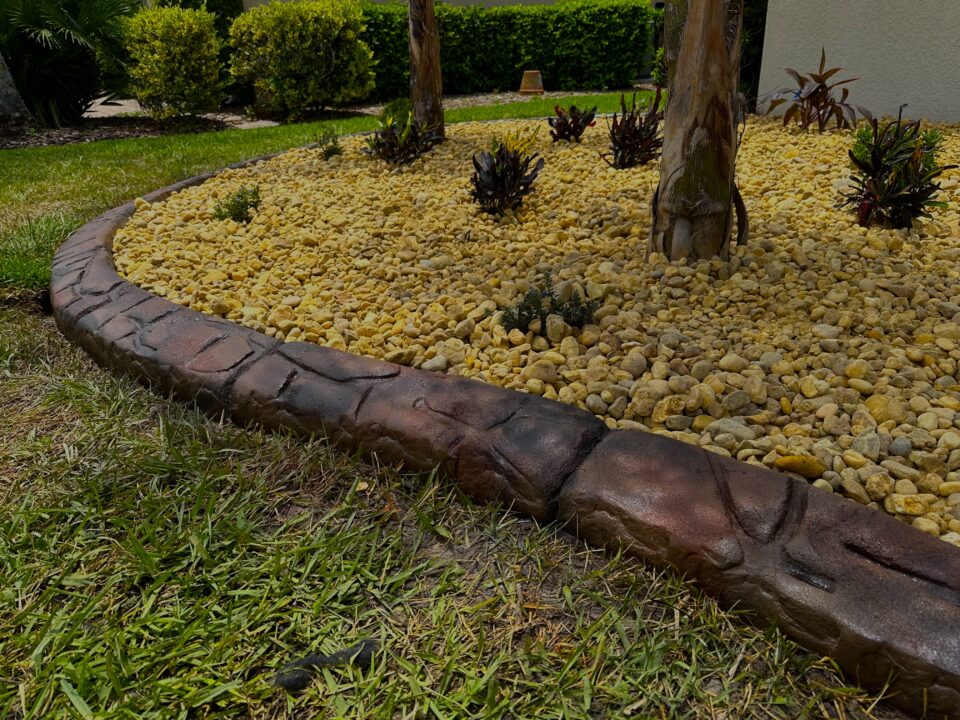
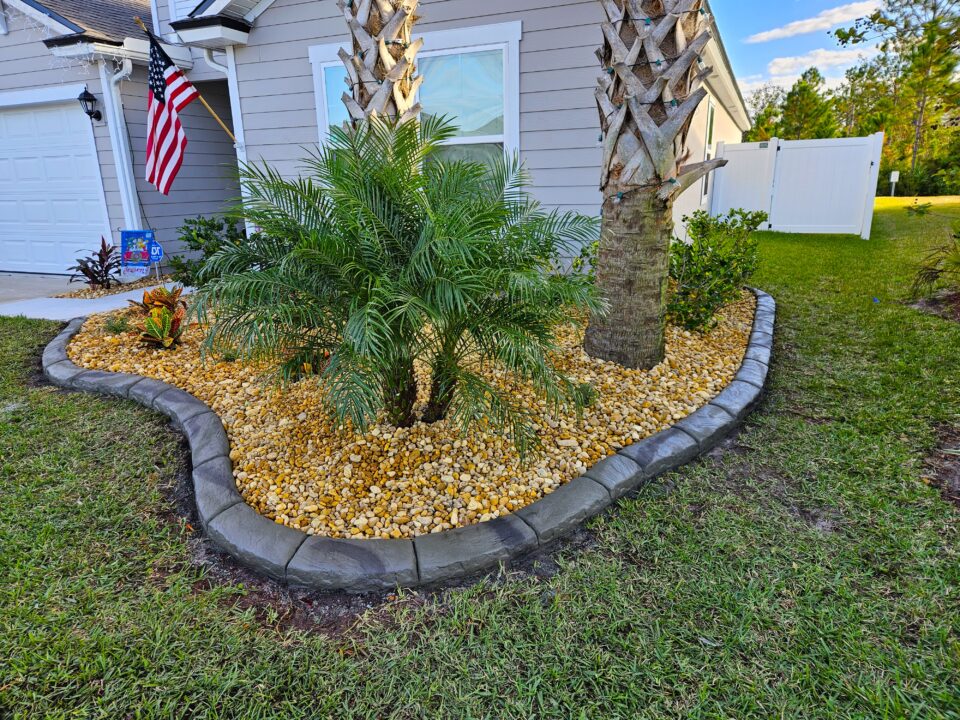
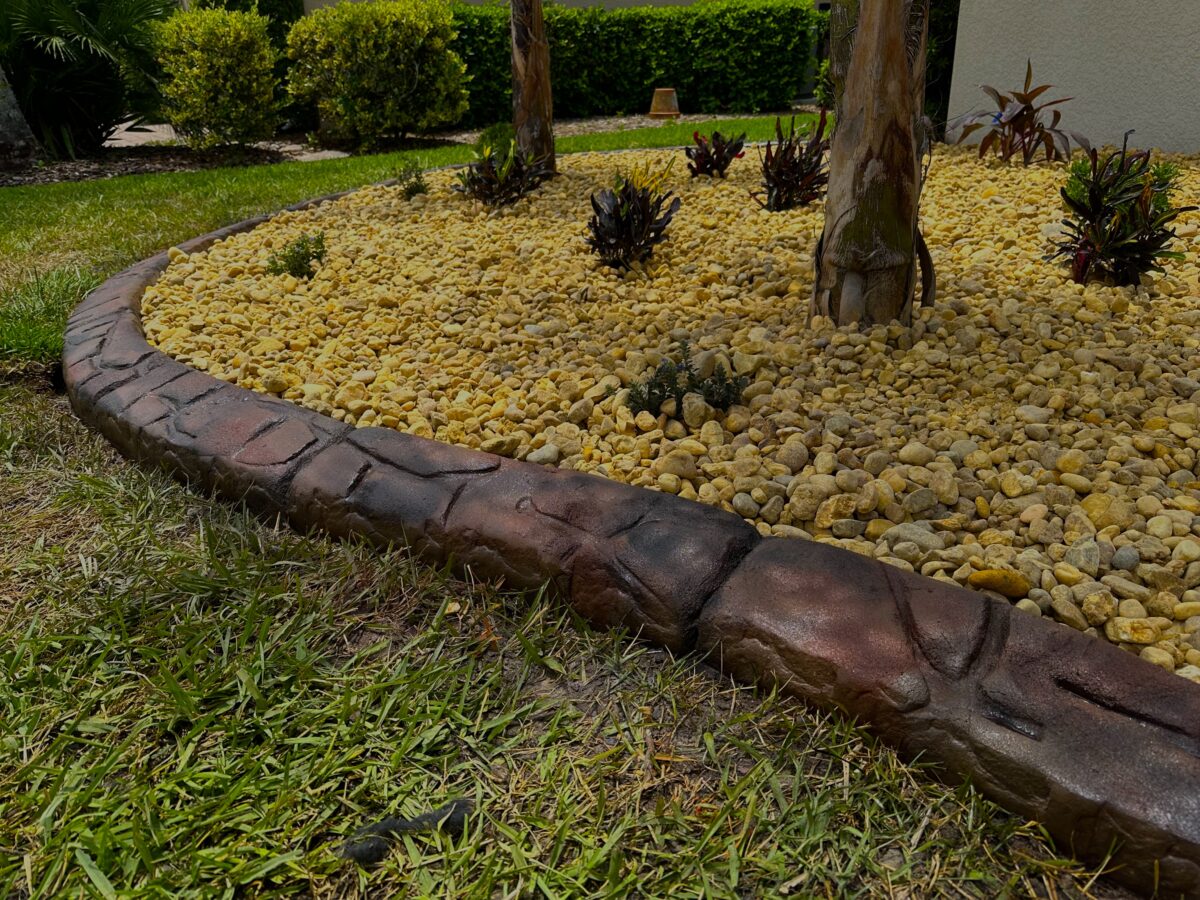
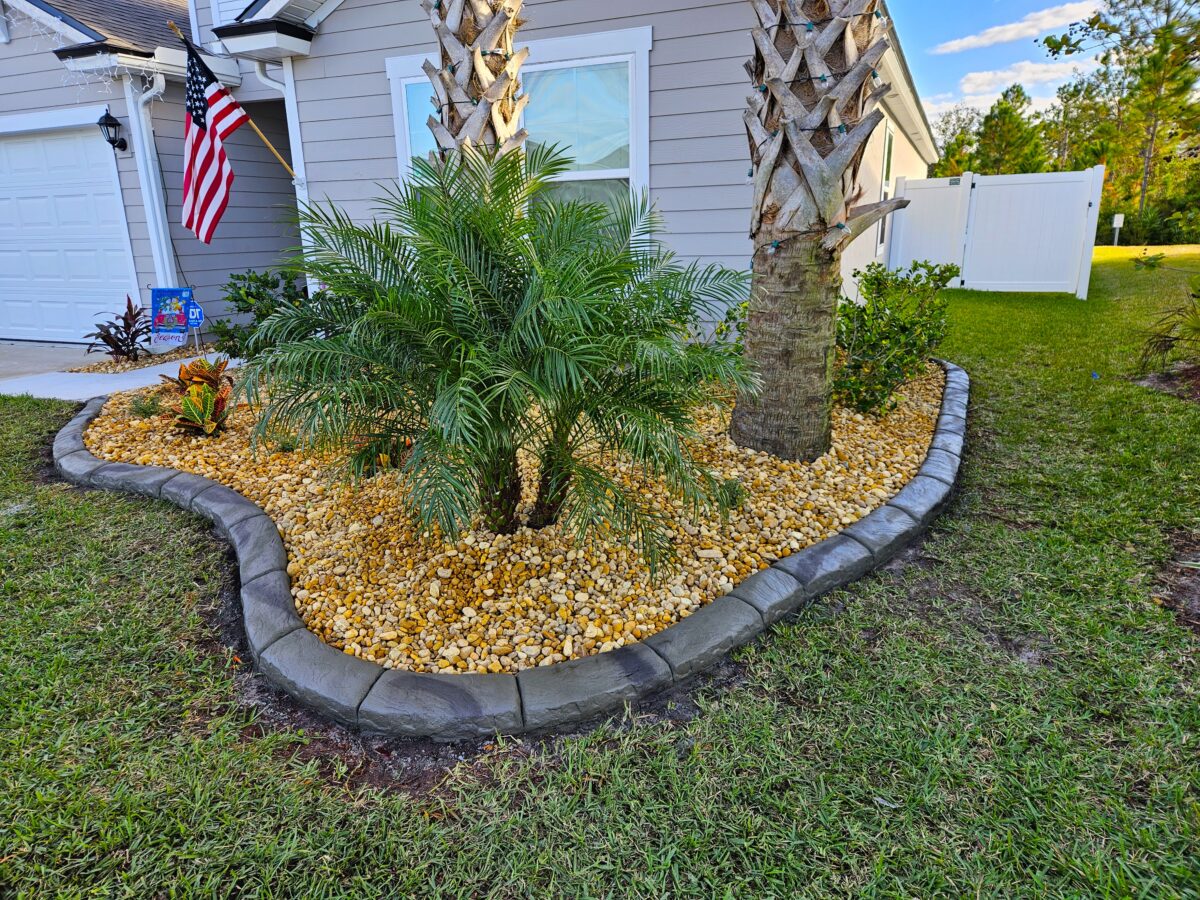
| Concrete curbing | Most of the year | Just avoid days with heavy rain in the forecast while the concrete cures. |
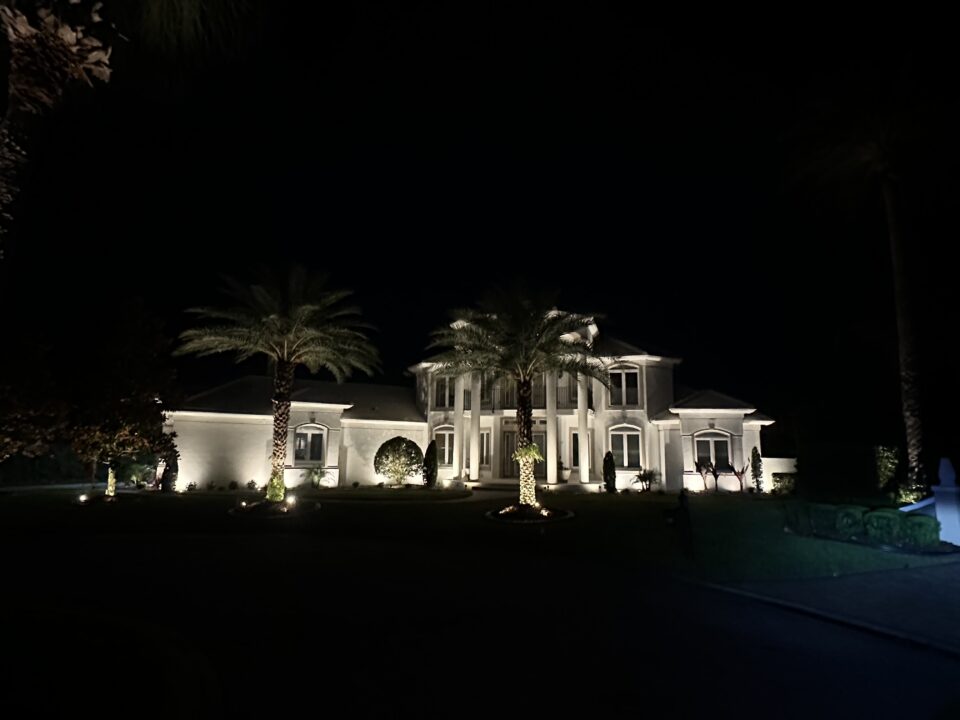
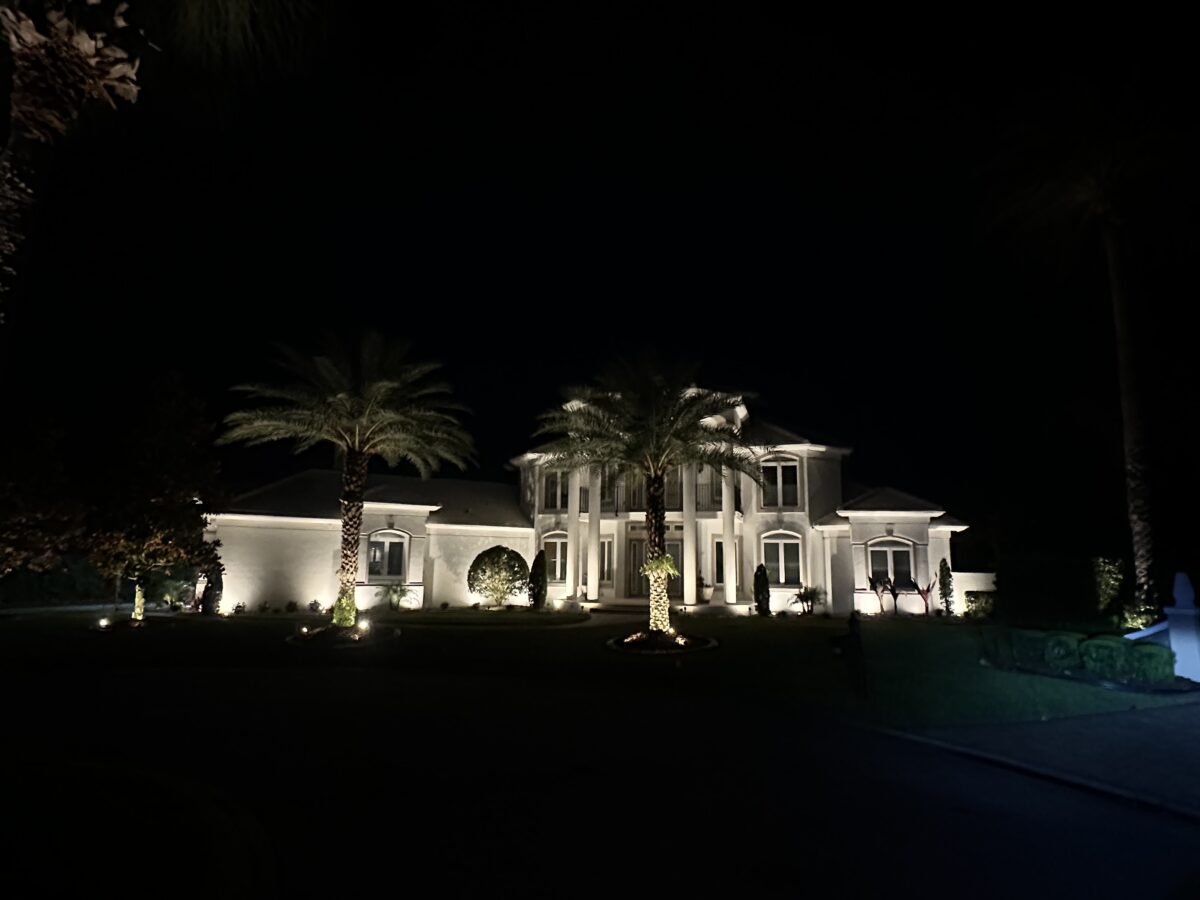
| Landscape lighting | Any time | Fall is popular because the evenings get dark earlier. |
| Cleanups and trimming | Late winter, early summer, and after storms | Timed around growth spurts and storm season. |
Planting and sod: where timing matters most
Living material is where timing really pays off. A shrub planted in October has months of mild weather to grow roots before it faces its first August. The same shrub planted in July needs much more careful watering just to survive the first few weeks.
Sod is the exception to the cool-season rule. St. Augustine, zoysia and bahia are warm-season grasses, and they knit into the ground fastest when the weather is warm. Sod laid in spring or early summer usually roots in a few weeks. Sod laid in the middle of winter can sit dormant and take much longer to anchor, and it may show off-color until spring.
A few practical notes for new plants in our sandy soil:
- Sand drains fast, so new plants need frequent, light watering at first, then gradually less as roots grow.
- Local watering rules from the water management district limit irrigation days, but they generally allow extra watering for new landscape plantings for a limited period. Check the current rules before you start.
- Mulch around new plants helps hold moisture and keeps roots cooler.
Projects you can schedule almost any time
Not everything is tied to the growing calendar. Concrete curbing, stone beds and landscape lighting do not care much what month it is. The main thing with curbing is a dry stretch of a day or so after it is poured so the surface can set. In summer we work around the afternoon storm pattern, which usually means getting started early in the day.
Cleanups are also flexible, though some times are more useful than others. A cleanup in late winter clears out frost damage and dead growth before spring. A trim in early summer gets hedges under control before the fast growth of the rainy season. And of course, after any tropical storm, cleanup goes to the top of the list. Our post on seasonal yard cleanup in Flagler County breaks this down month by month.
Planning a bigger project in the right order
For a full yard project, timing becomes a sequence rather than a single date. A common order looks like this:
- Design and decisions (any time): walk the yard, settle bed shapes, plant choices and any HOA approvals. HOA review can take a few weeks, so start early.
- Removal and cleanup: take out what is not staying, clear weeds and grade beds.
- Hardscape and curbing: install curbing, stone and lighting wiring before plants go in, so nothing gets trampled.
- Planting: ideally in fall or spring.
- Sod and mulch last: sod in the warm months if possible, mulch as the finishing layer.
If you want new plantings settled before hurricane season, aim to finish by spring. If you are starting a design in late summer, fall planting is a natural target. Our guide to landscaping in phases covers how to split a project across seasons when that makes more sense for your budget or schedule.
Whatever the season, booking ahead helps. Spring tends to be busy for landscape design in Palm Coast, and after a storm everyone needs help at once.
Frequently asked questions
Can I plant in the middle of a Palm Coast summer?
Yes, but it takes more attention. New plants need consistent watering, and heavy rain can wash mulch and soil around. If you have a choice, fall planting is usually easier on both the plants and your water bill.
Is winter a bad time to lay sod in Flagler County?
It is not ideal. Warm-season grasses grow slowly in cool weather, so sod laid in winter takes longer to root and may stay off-color until spring. If you need it done for a sale or move, it can work with careful watering.
How far ahead should I schedule landscaping?
For smaller jobs, a couple of weeks is often fine. For a full design with HOA approval, giving yourself one to two months keeps you from rushing decisions or missing the best planting window.
Should I wait until after hurricane season for a big project?
Not necessarily. Curbing, lighting and design work can happen any time. For large trees, many homeowners prefer fall installation so they have the whole winter and spring to root in before the next storm season.
If you are trying to figure out when to start your own project, Udell’s Landscape Services is happy to walk your yard and talk through timing. We work throughout Palm Coast and Flagler County. You can request a free estimate or call us at (386) 931-6539.