Planning Landscape Work Before You Leave Your Florida Home
September 28, 2026
Landscape Design in Palm Coast: How the Process Works
October 2, 2026When a September landscape project wraps up in Palm Coast, gather everything you will need to care for it in October: a list of what was installed, any open items, care instructions for the new plants and the name of the person to call with questions. A good handoff tells you what was done, what still needs attention and who handles each next step. You should be able to explain your care plan without relying on memory.
October is a good month to settle into a new landscape here. The heat usually starts to ease, the rainy season tends to taper off, and new plants get a gentler stretch to root in. That shift also means the watering and care that worked during installation may need adjusting, so a clear handoff matters.
Walk the completed scope together
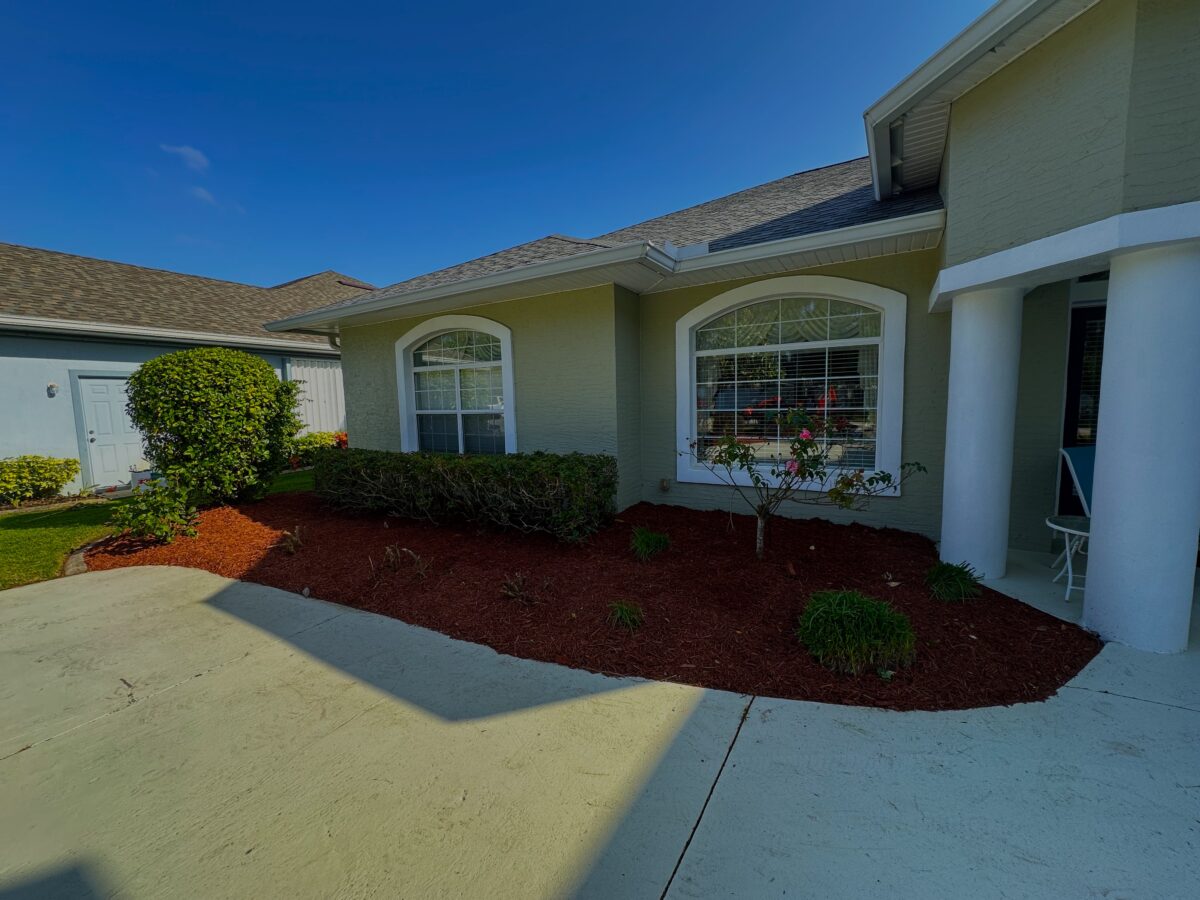
Before the crew leaves for the last time, walk the property with the proposal in hand. Compare what was agreed with what is in the ground.
- Review bed boundaries, edging and curbing lines.
- Check plant locations against the plan, including any substitutions.
- Look over cleanup, especially along walkways, driveways and access areas.
- Note anything that still needs to be finished.
Record open items separately from new requests. An unfinished task from the original scope is different from a new idea you had while watching the work, and keeping them apart avoids confusion later. If the project covered several landscaping services, ask for one consolidated list so responsibilities are not scattered across texts, emails or different estimates.
Keep a simple materials record
A basic record of what went into your yard is one of the most useful things you can keep. Save plant names, mulch or stone descriptions, and any product specific instructions. If a plant was substituted during installation, write that down too, and keep the approved change with the original plan rather than only the plan.
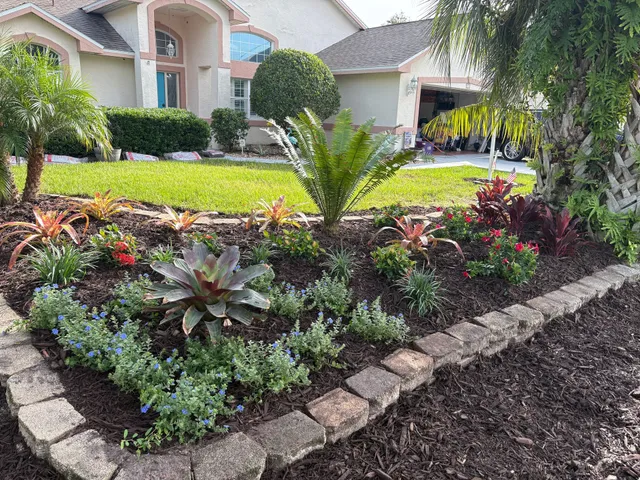
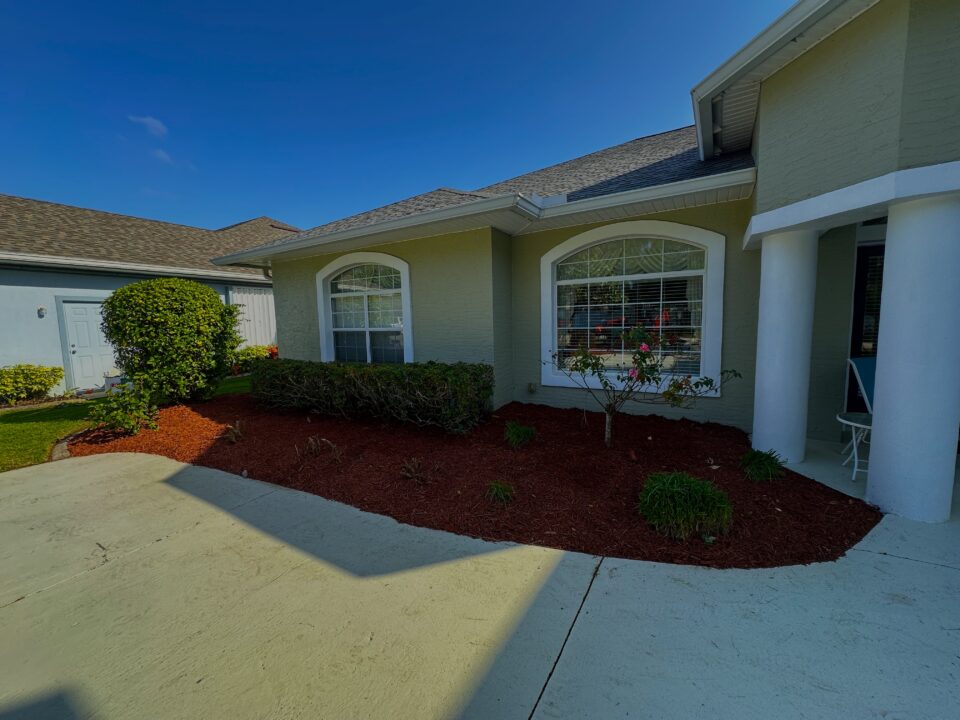
Photograph the finished beds from the same positions used in your before photos. Those images give you a practical reference for later maintenance, replacement plants or future additions. A year from now, it is much easier to say “the third shrub from the corner” when you have a picture.
What care do newly installed plants need in October?
New plants need more attention than established ones until their roots grow out into the surrounding soil. Clarify which plants are new and how their care differs from the rest of the landscape. Our sandy soils drain quickly, so a fresh root ball can dry out faster than the ground around it suggests.
UF/IFAS emphasizes matching water and maintenance to the plants and the site. A few practical points to ask about:
- How often new plants should be watered, and when to start backing off.
- How to check moisture at the root ball, not just the surface.
- Whether mulch should stay a few inches back from stems and trunks.
- Which plants, if any, need staking checked or removed later.
Review our plant installation guide and ask questions when an instruction is unclear. Confirm that any irrigation guidance accounts for current local watering rules in Flagler County instead of treating an old schedule as permanent. As temperatures drop through fall, plants typically need less water than they did in summer.
Agree on how concerns will be reported
Some issues only show up after the crew is gone. A plant may wilt, an edge may need touching up, or you may notice after dark that a light needs a small adjustment. Ask whom to contact for each kind of concern and what information helps, usually a photo and a short description.
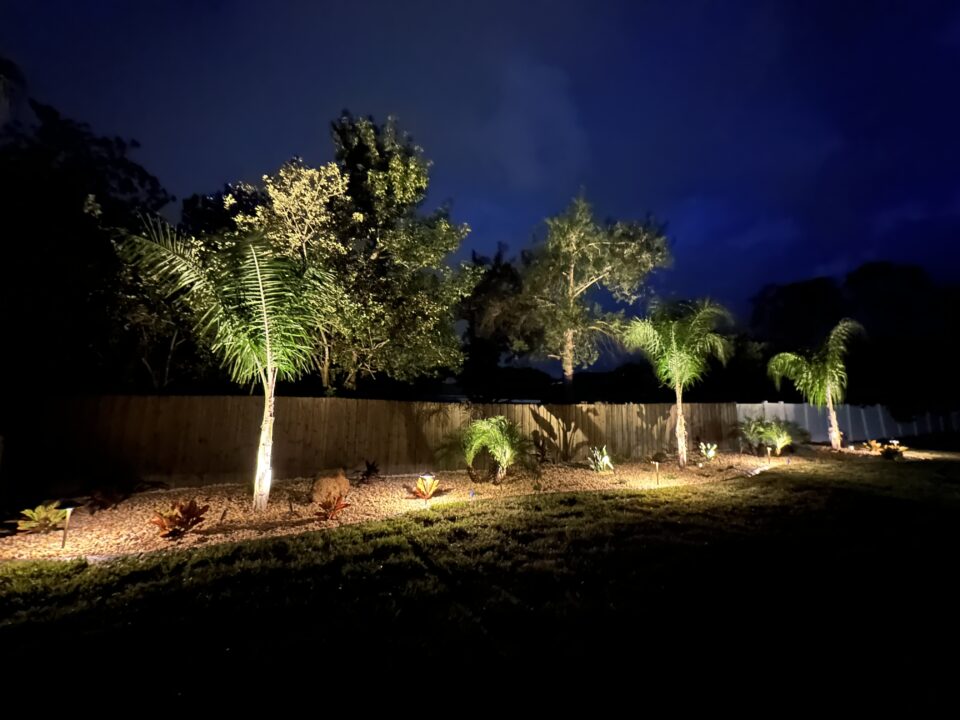
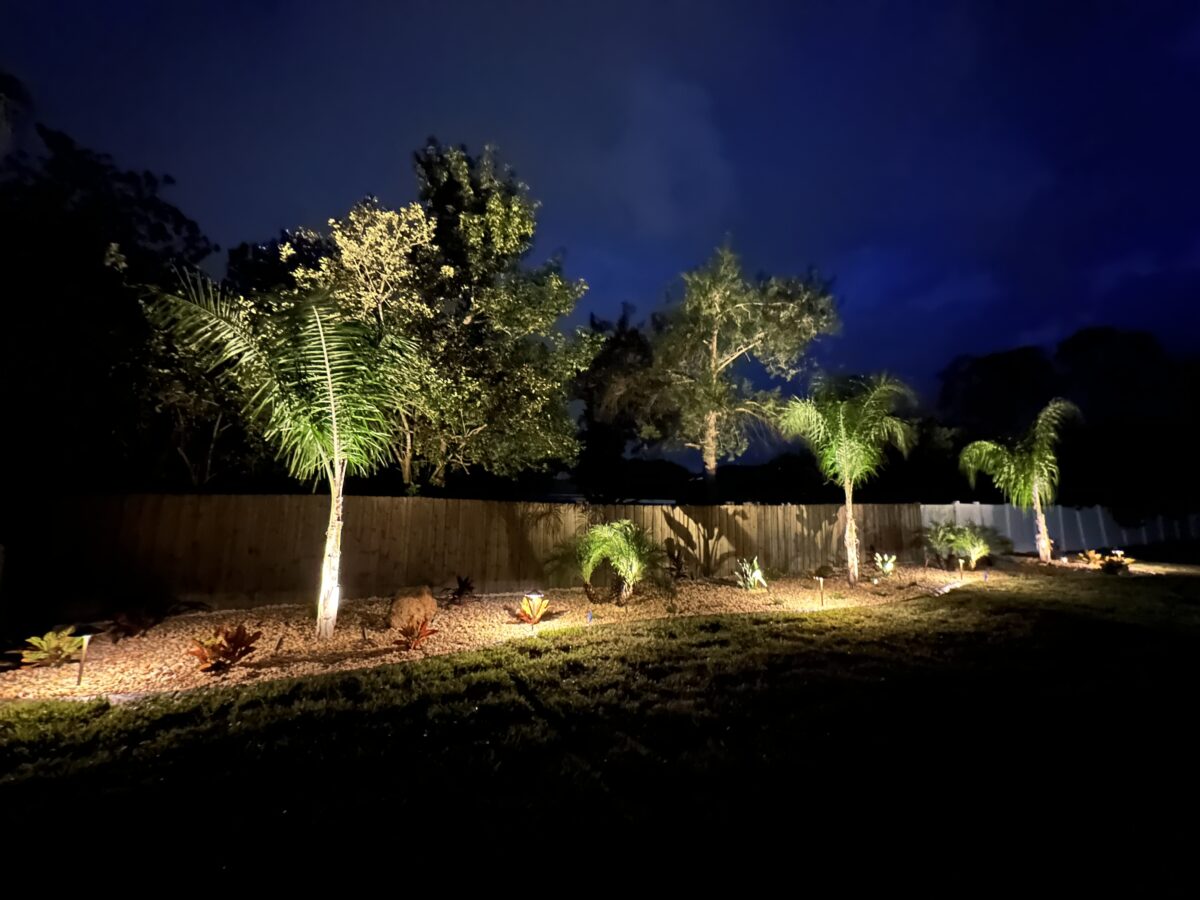
If the project included landscape lighting, take an evening walk in the first week or two. Look at whether paths are evenly lit, whether any fixture shines into a window, and whether timers match the earlier October sunsets.
Keep warranty language, if any was provided, with your project record. Do not assume every future issue is covered. Read the written terms and understand which maintenance responsibilities are yours, since watering and routine care often affect how plants perform.
What belongs on the October checklist?
A short checklist is easier to use than a folder of unrelated notes. Keep it to one page and include:
- The next inspection or follow up date.
- Routine tasks, such as weeding, mulch touch ups and watering checks.
- Any deferred project phase, with a rough idea of when you might revisit it.
- A few things to watch, like whether a walkway stays clear or a bed keeps its intended shape.
If part of your plan was held back for later, our post on landscaping in phases explains how to keep a multi step project organized. Remember that hurricane season runs through November 30, so it is sensible to keep loose items secured and know where your project photos are stored in case you need them after a storm.
Frequently asked questions
How long do new plants need extra water after installation?
It varies with the plant, its size and the weather. Larger plants generally take longer to establish than small ones. Ask for instructions specific to what was installed, and check soil moisture rather than following a fixed calendar.
Is October a good time to finish a landscape project in Palm Coast?
Fall is generally a comfortable time for new plants in Northeast Florida because the heat eases. New plantings still need regular attention, so a clear care plan is important no matter when the work wraps up.
What records should I keep after a landscaping project?
Keep the final proposal, any approved changes, plant and material names, care instructions, warranty terms if provided, and before and after photos. Store them together so you can find them quickly.
Who do I call if a new plant starts to decline?
Contact the company that did the installation with a photo and a short description. Reporting early gives the best chance of finding the cause, whether it is watering, drainage or something else.
At Udell’s Landscape Services, we have spent more than 20 years on landscape design in Palm Coast and throughout Flagler County, and we like our clients to feel confident caring for what we install. If you have an open question about a recent project or are planning your next one, you can request a free estimate or call (386) 931-6539.